OIL & GAS Services
METRECONS SOLUTION
The company was founded in 2021 from the desire to offer premium services and solve environmental pollution problems.
ACTIVITIES
DESCRIPTION
ACTIVITIES
DESCRIPTION
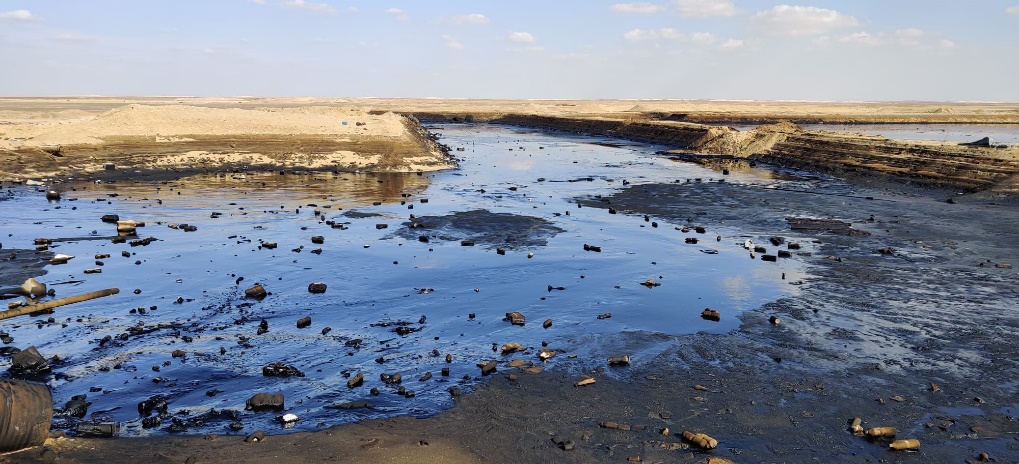
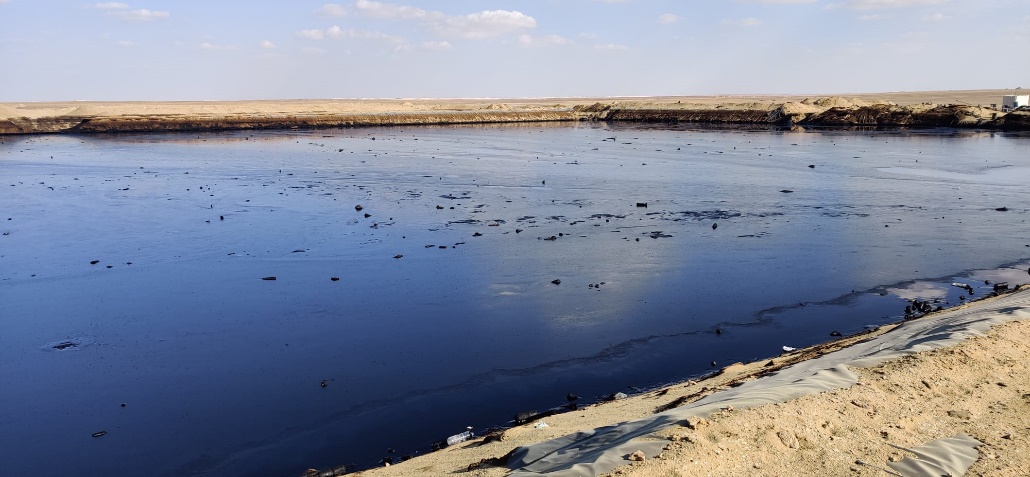
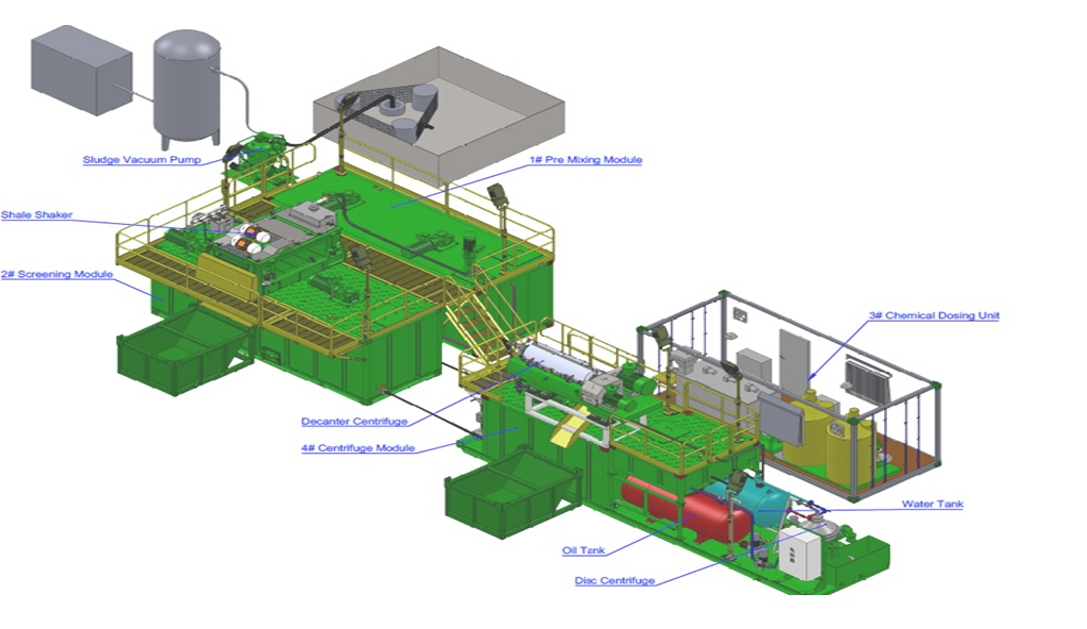
Oil Sludge Treatment
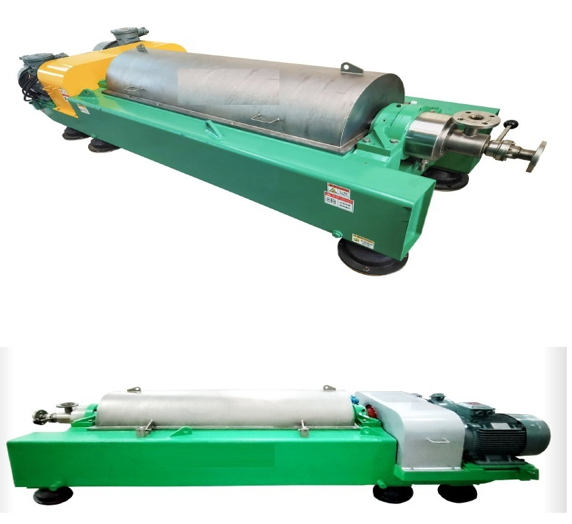
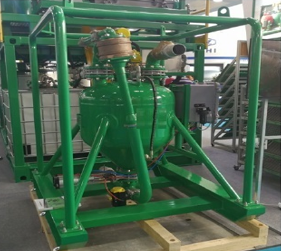
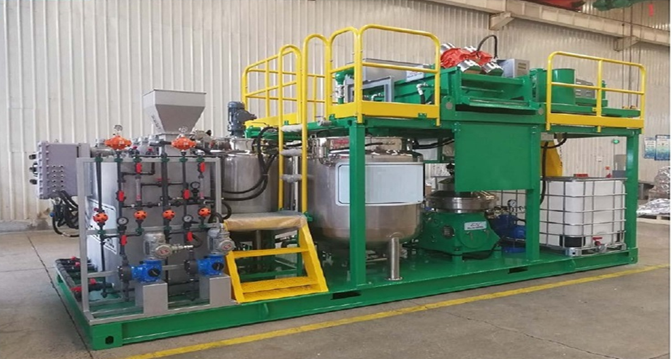
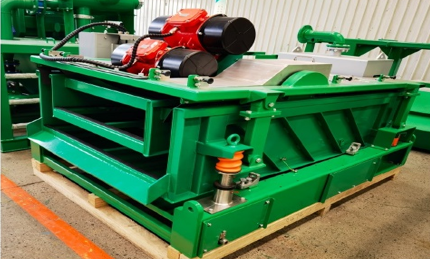
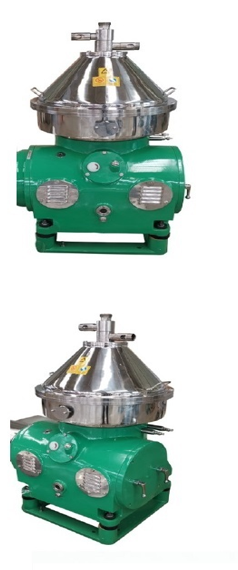
Oil sludge is a mixture consisted of oil, water and solids, to treat the waste oil sludge, and recovery oil and water. The oil, water and solids need to be separated. And also it is important to dispose of the solids in expensively and recover oil as much as possible.
ACTIVITIES
DESCRIPTION
Oil Sludge Treatment
ACTIVITIES
DESCRIPTION
Inspection and Tank Cleaner System
ADVANTAGES
- Safety during operations.
- Reduction of risks associated with manual labour.
- Time saving.
- 0perating costs reduction.
- Less downtimes of the plants.
- Increased production.
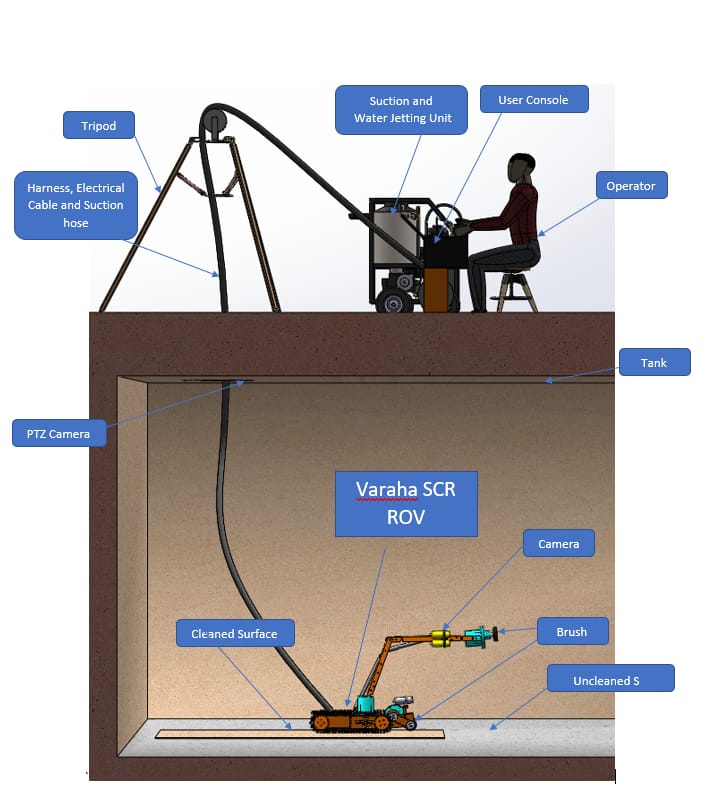
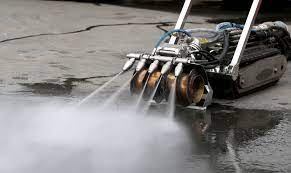
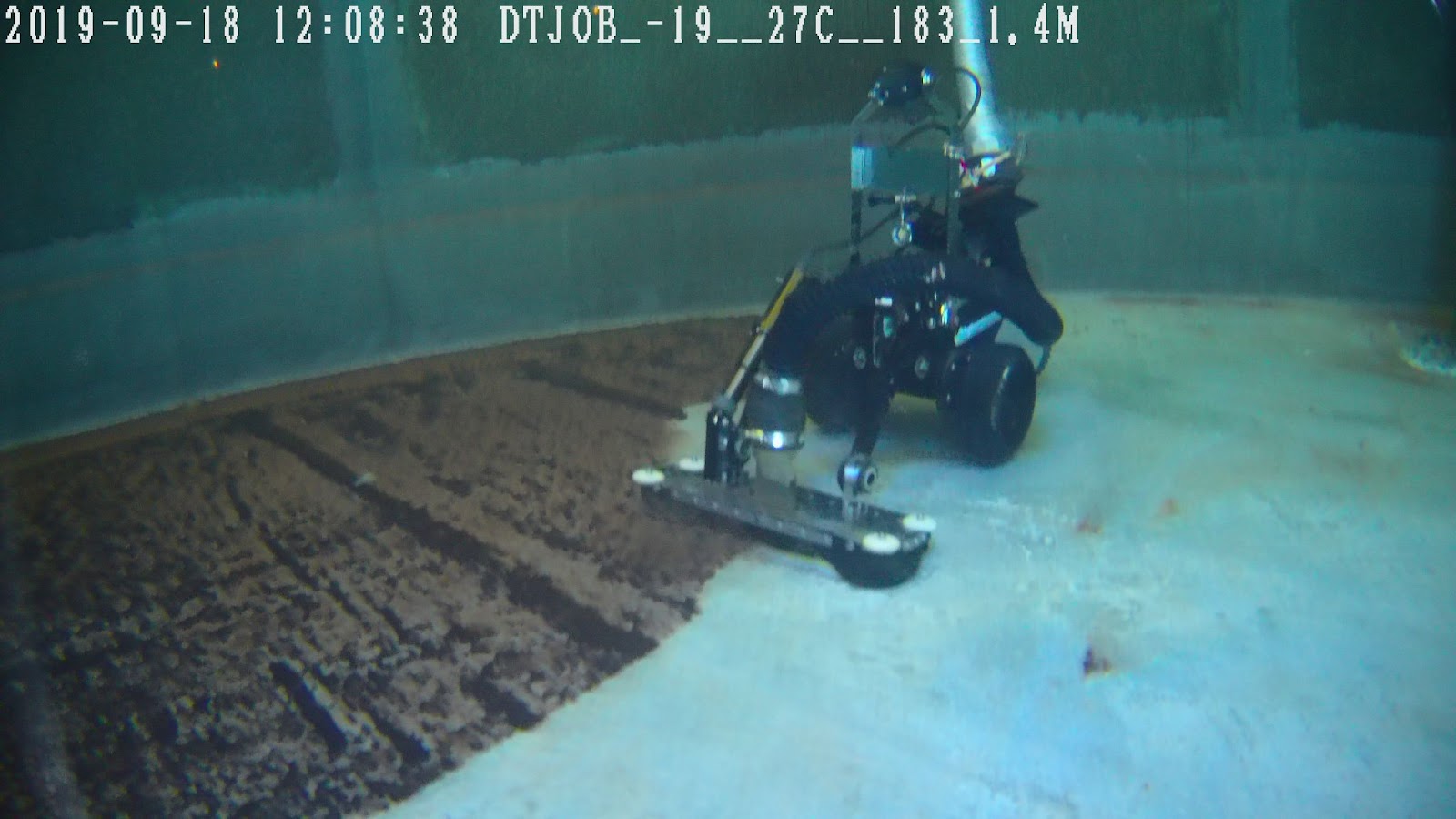
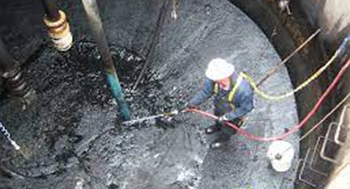
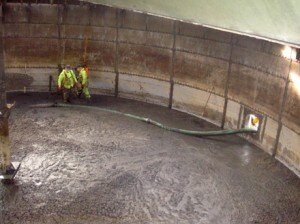
We propose the following solutions:
- Tank Explorer – In-Service Robotic
Bottom Inspection
- High Pressure Jetting Equipment For
Cleaning
- Floating Roof Cleaning With Nozzles
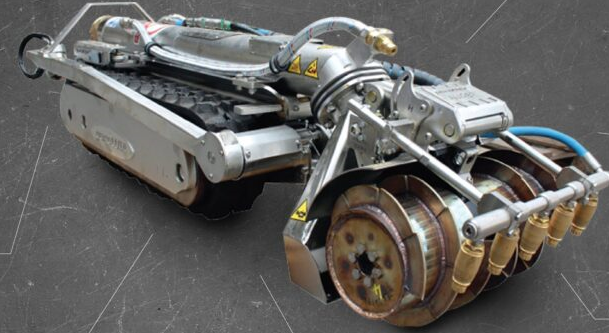
- Robot For Cleaning
Note: The water mixed with the washing oil can be recovered with the related installations but can also be treated with the centrifugation system.
ACTIVITIES
DESCRIPTION
Tank Wagon Washing Systems
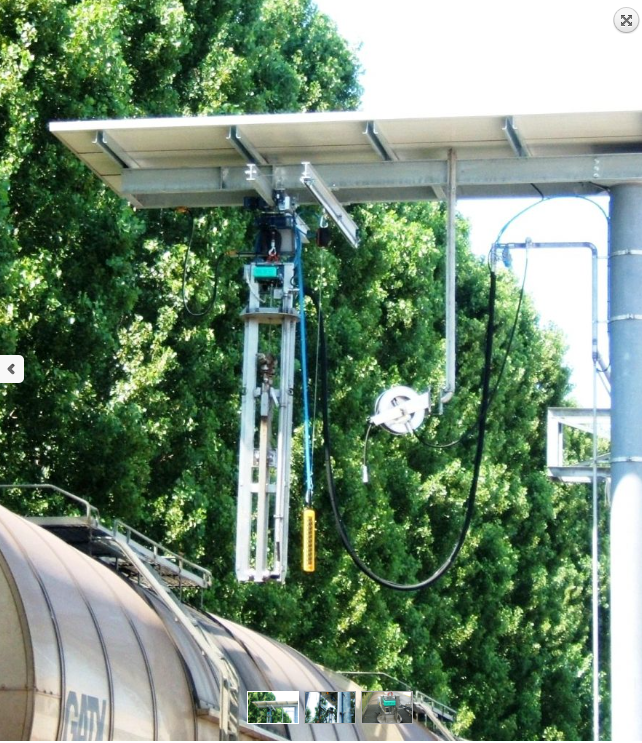
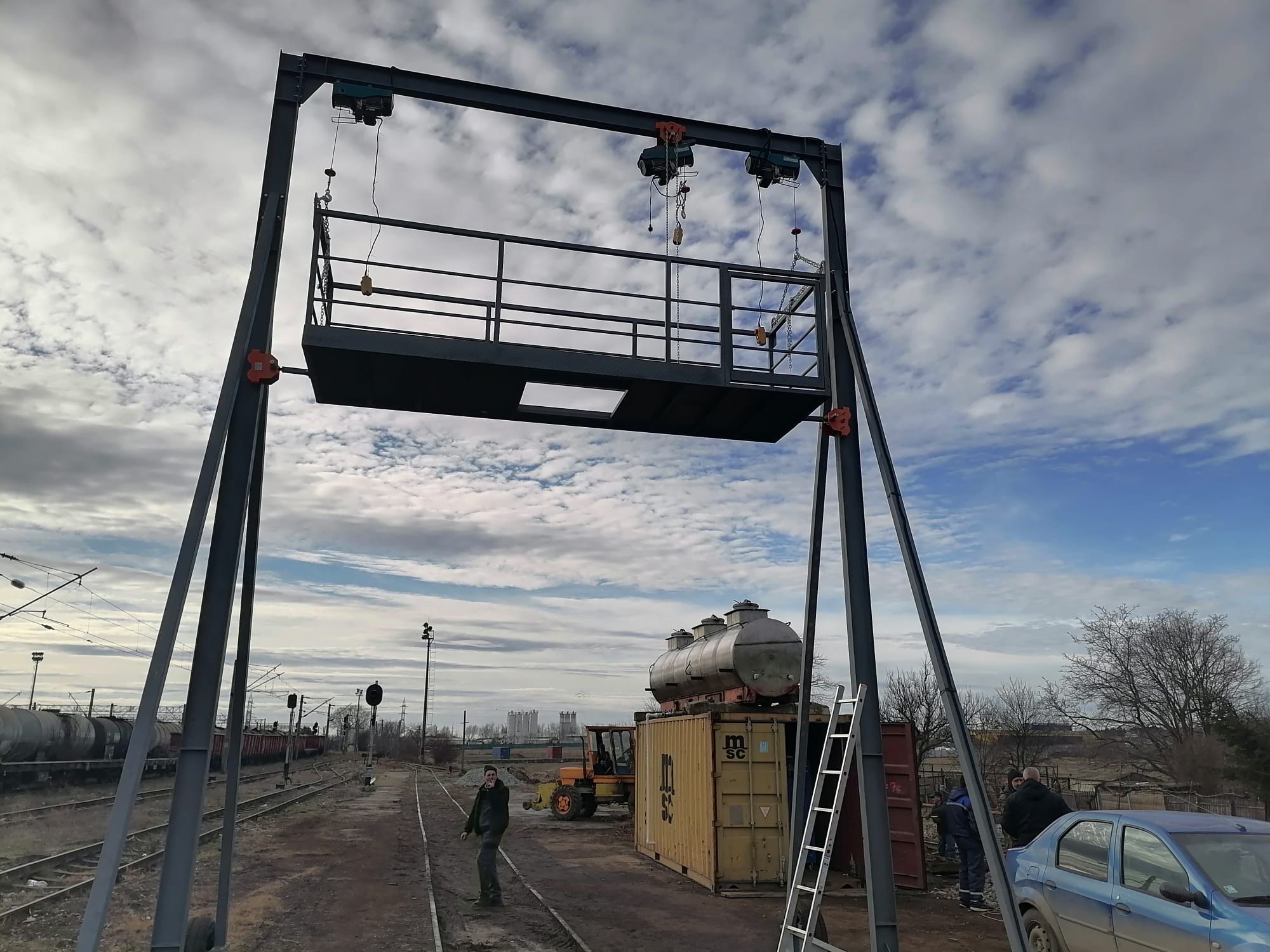
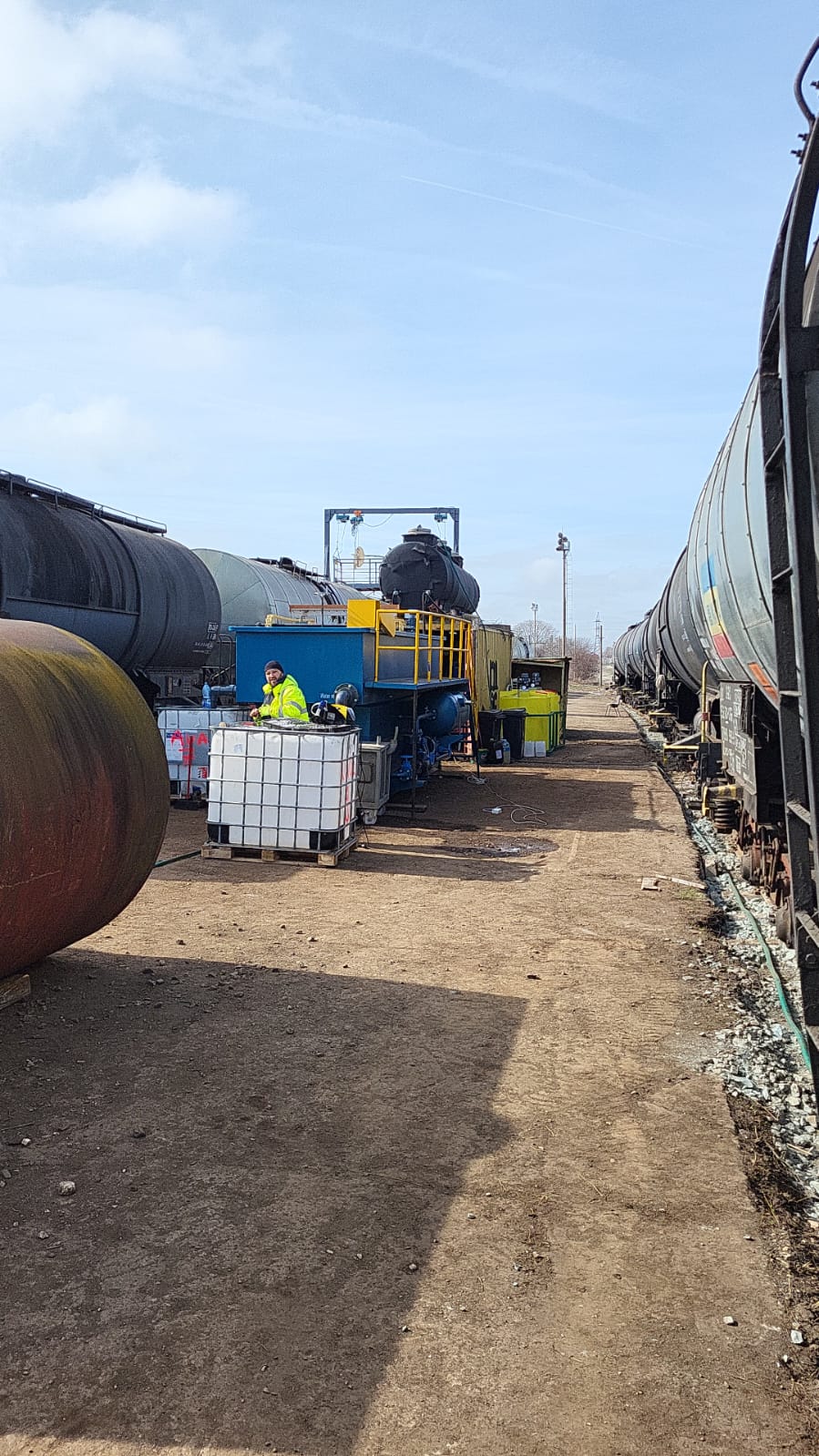
Railway tanks – both chemical and food – need to be washed with special equipment due to their size and the fact that they have – overwhelmingly – only one chamber.
According to the particular structure of railway tanks, METRECONS SOLUTION has designed a special device, which allows the internal washing in a short time and in a fully automatic way, thus avoiding the operator’s entry into the railway tank.
ACTIVITIES
DESCRIPTION
Sand Washing System
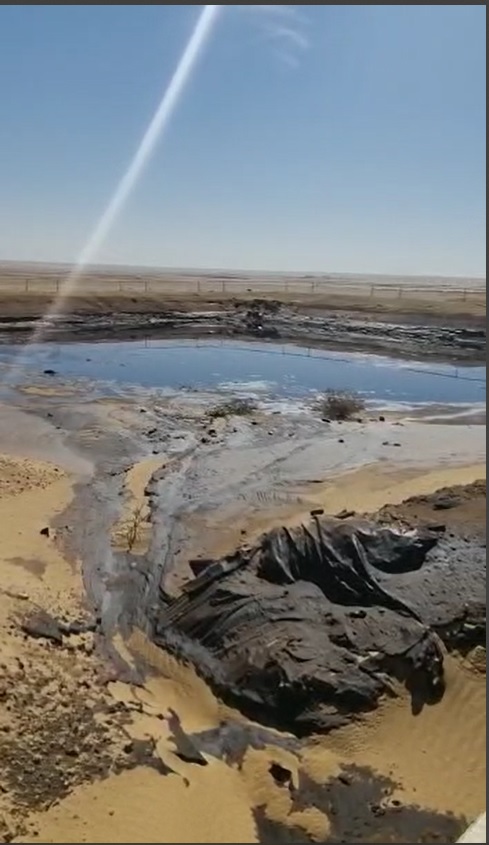
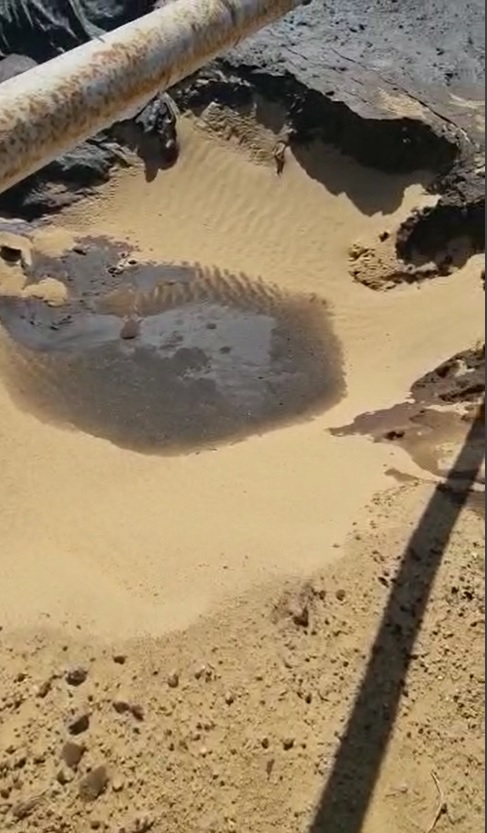
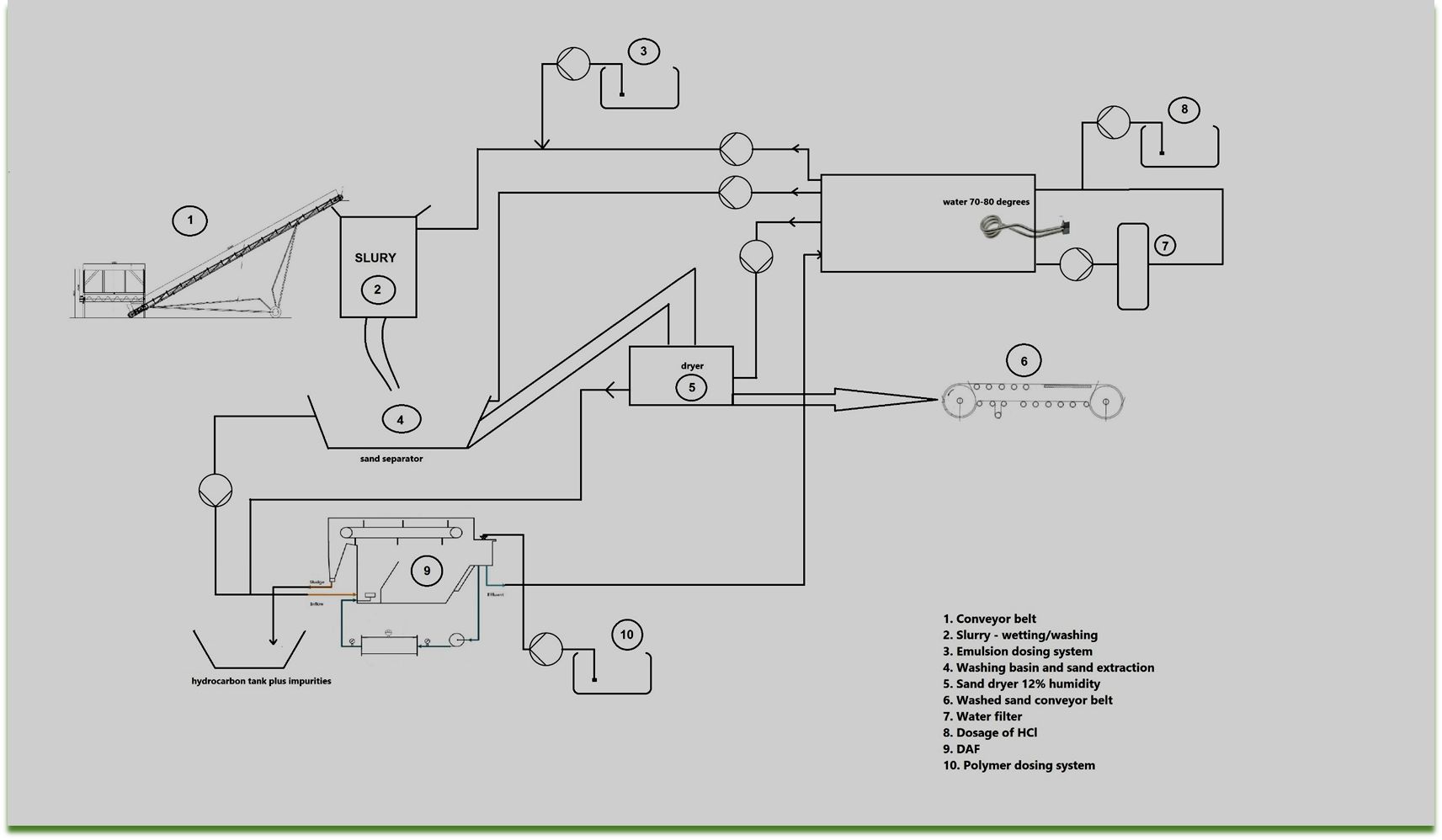
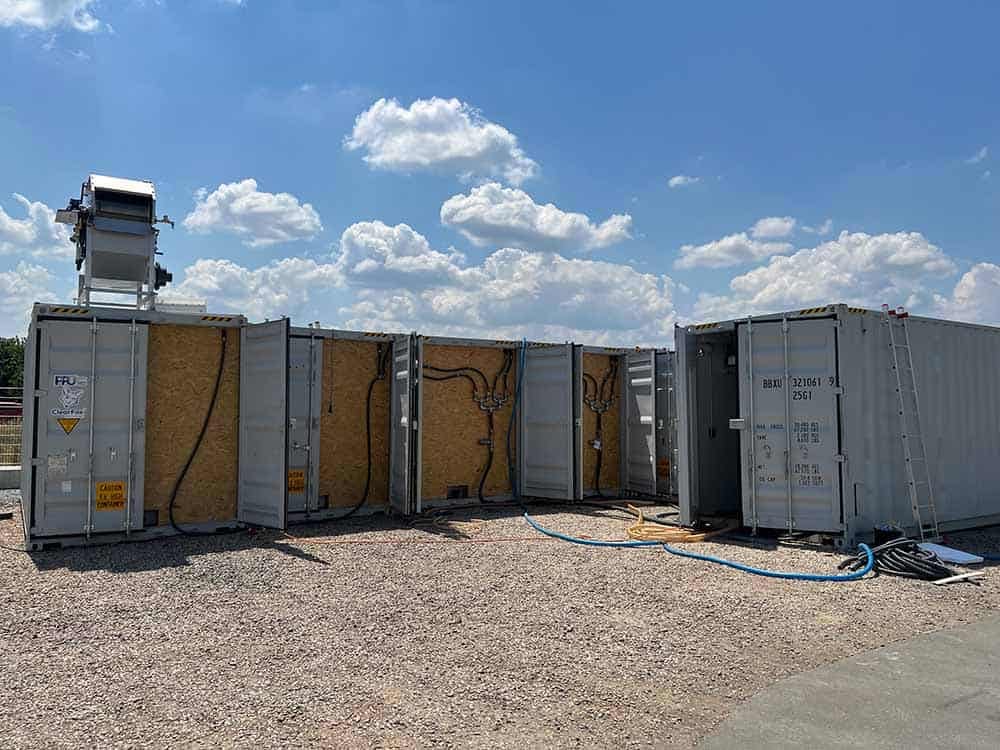
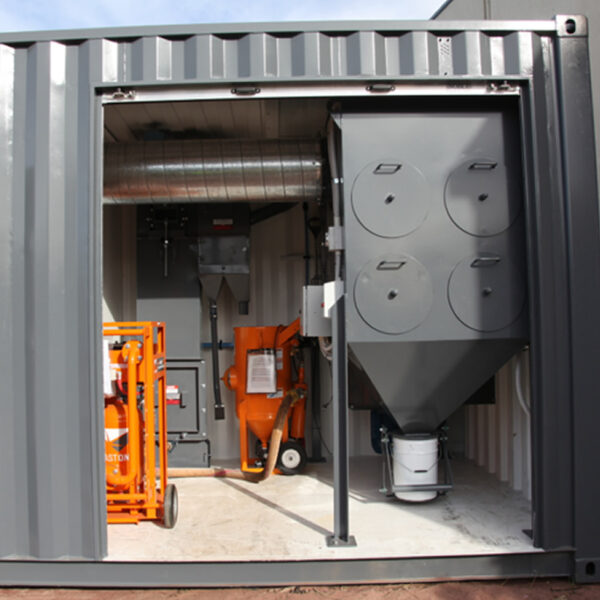
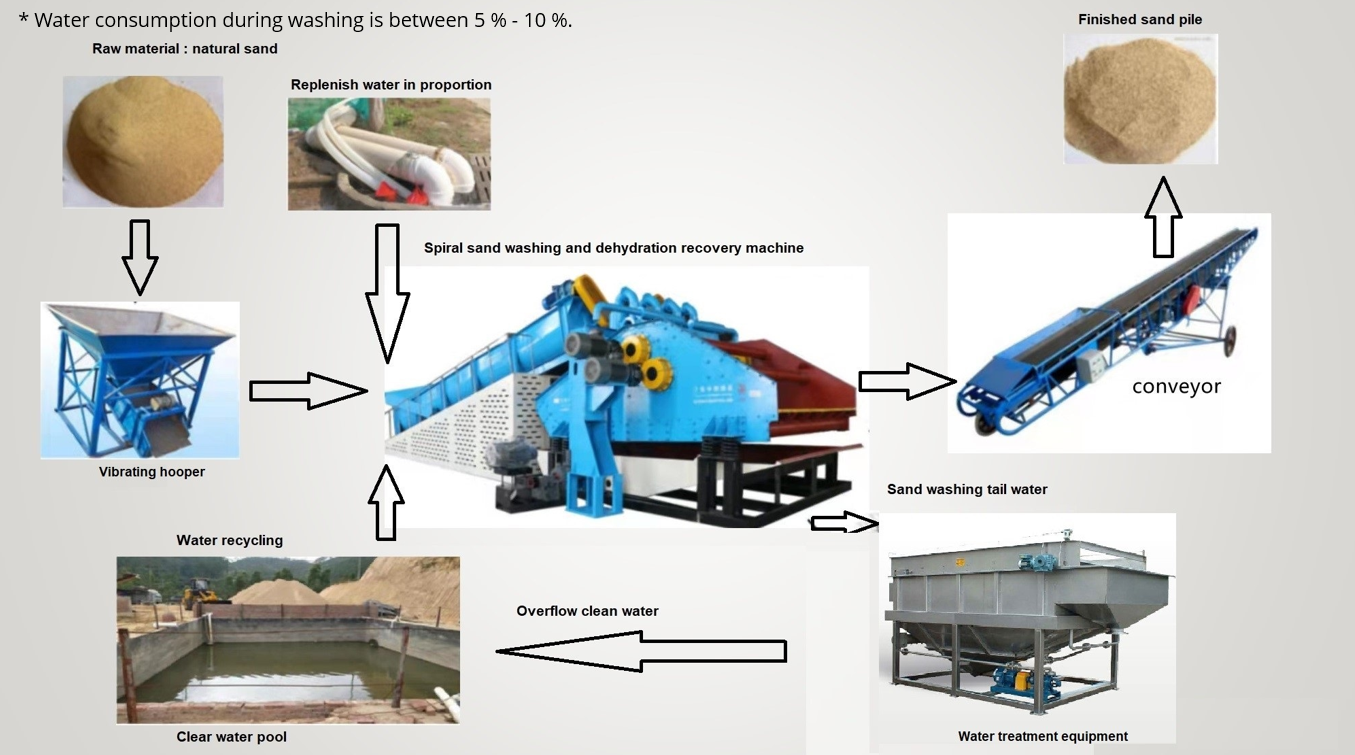
Designed the adiabatic expansion valve to reduce maintenance costs and extend lifespan. Our equipment (slurry +scrubber) works by imparting high pressure water jets into a slurry with a high density of solid particles. it is also design ensures the energy hits the particles rather than the pipe wall. As a result, although there is a wear pipe included in the design, we have never had to change one.
ACTIVITIES
DESCRIPTION
Sand Washing System
ACTIVITIES
DESCRIPTION
Bioremediation
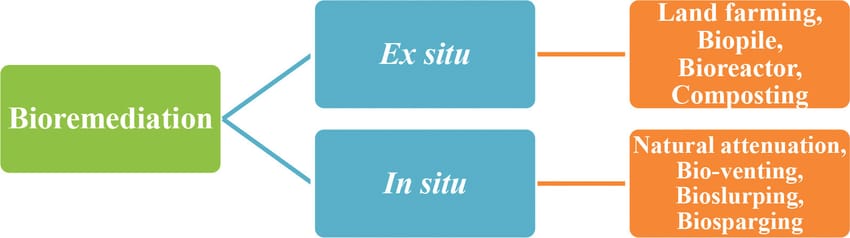
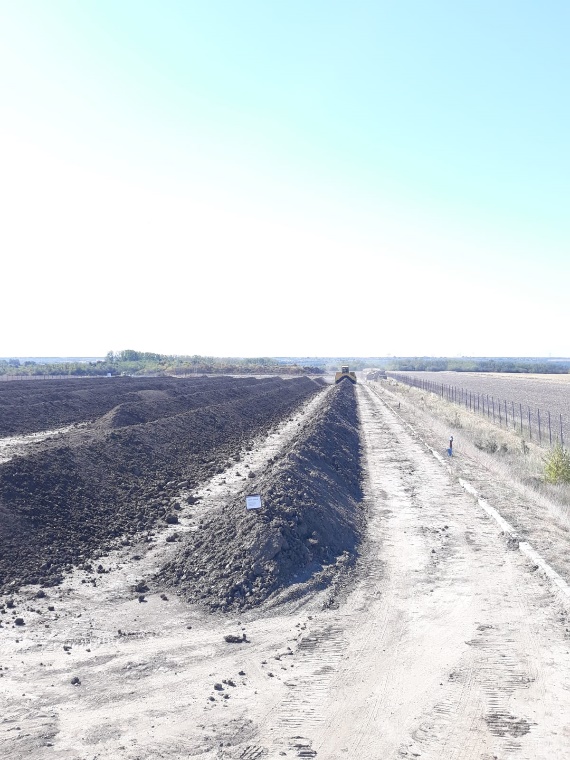
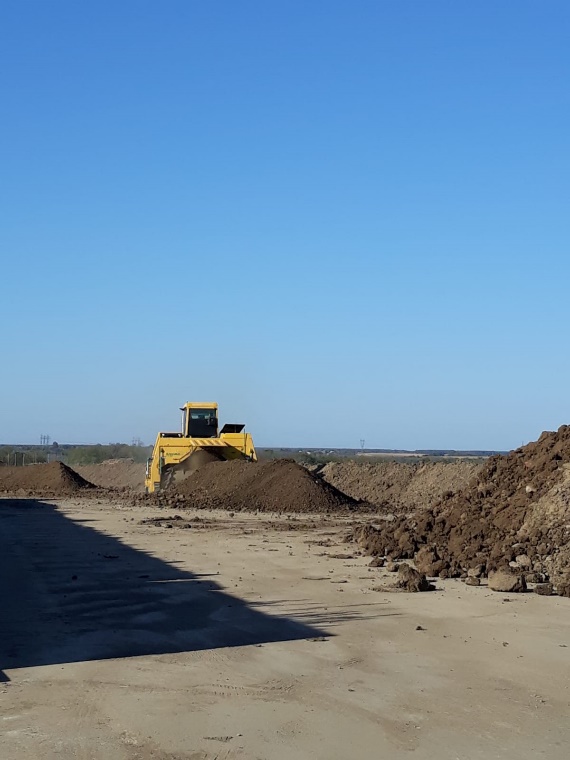
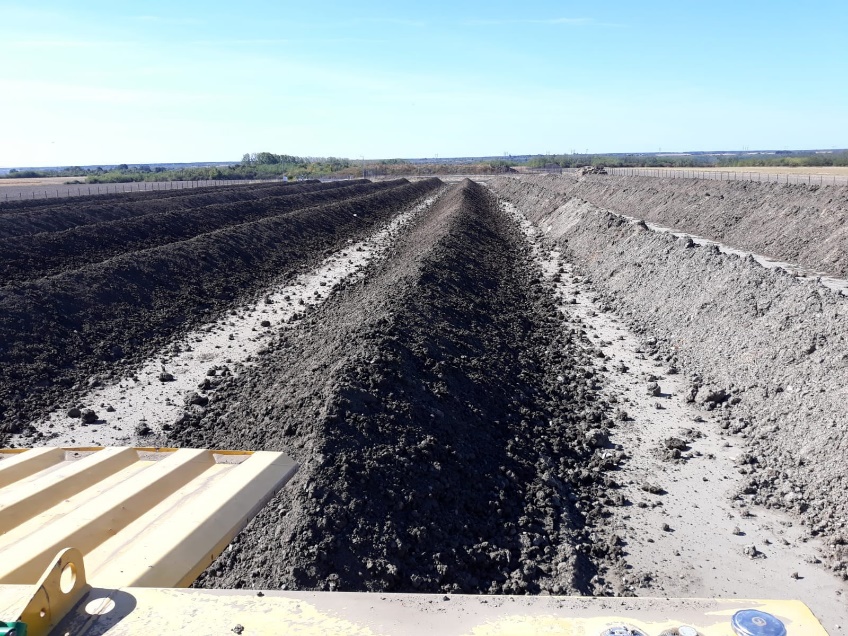
Bioremediation is the a biological degrading processes for the treatment of contaminated soils, groundwater and/or sediments, relying on microorganisms including bacteria and/or fungi to use the contaminant(s) as a food source with resulting degradation of the contaminant. Bioremediation is one of the most economic remedial techniques presently available for treating most organic fuel based contaminants such as coal tars and liquors, petroleum and other carcinogenic hydrocarbons such as benzene and naphthalene, and some inorganics. Hydrocarbon bioremediation and soil bioremediation are the most common services we provide of this type.
ACTIVITIES
DESCRIPTION
Bioremediation
Methods in-situ
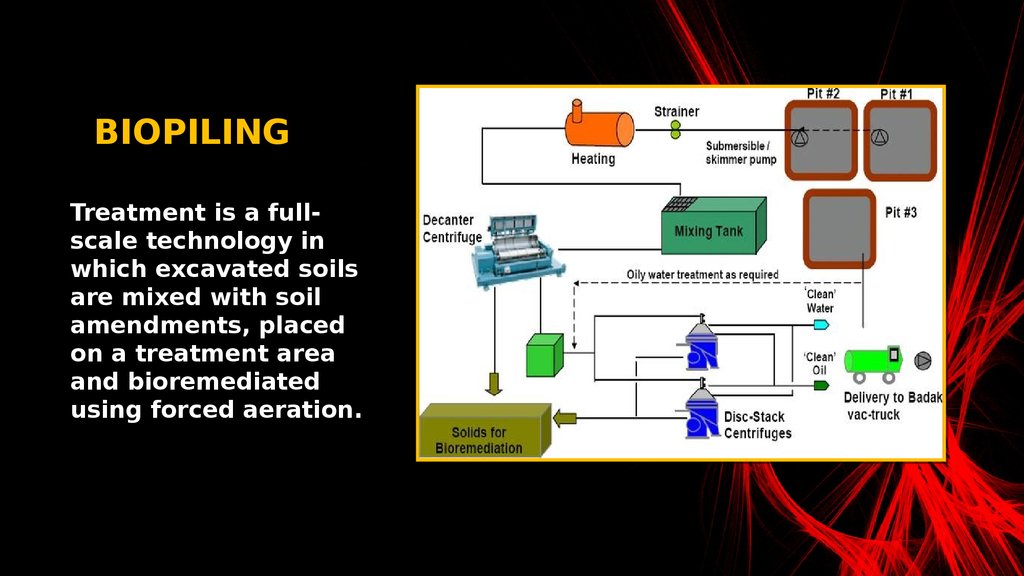
Bioremediation is widely used to remediate organic contaminants (e.g. fuel and fuel oils), in general bioremediation is a significantly more economic option to straight disposal, however it can take anything from 1 month to several months to carry out. Its suitability is based on the contaminants, site conditions, and target levels. If you want to find out if bioremediation is an option for your site then you should phone or e-mail us, we’re always happy to discuss a site with you.
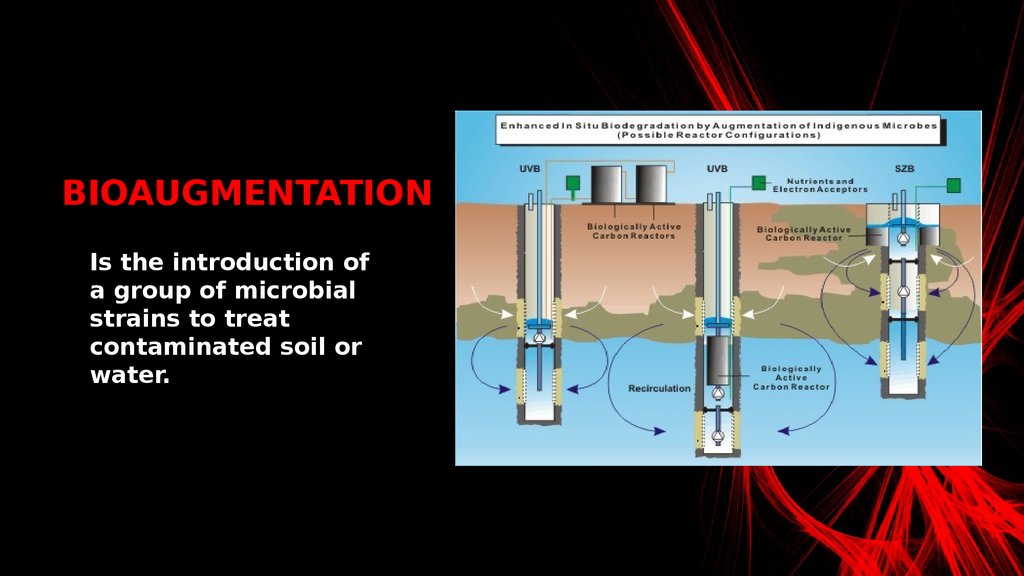
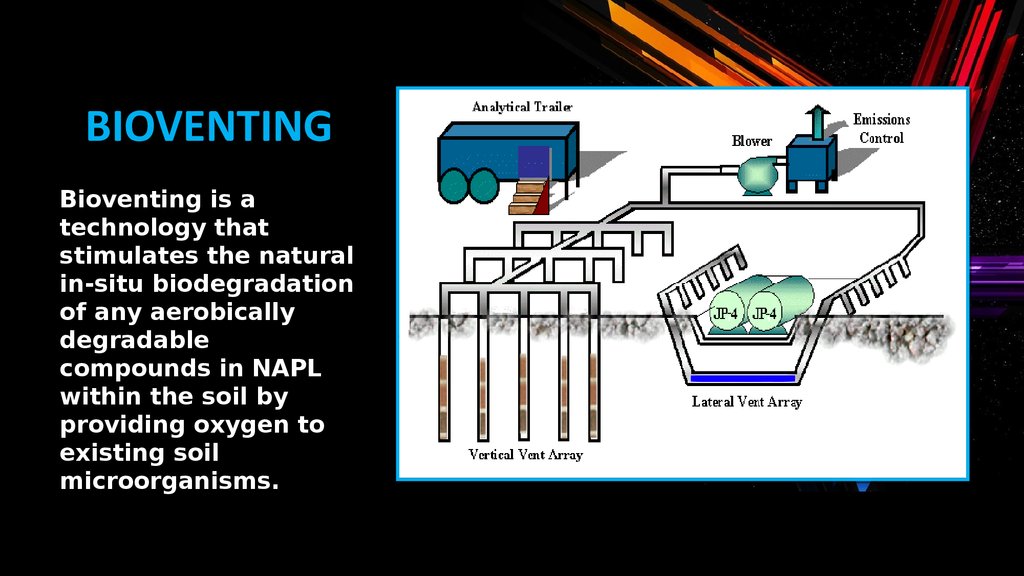
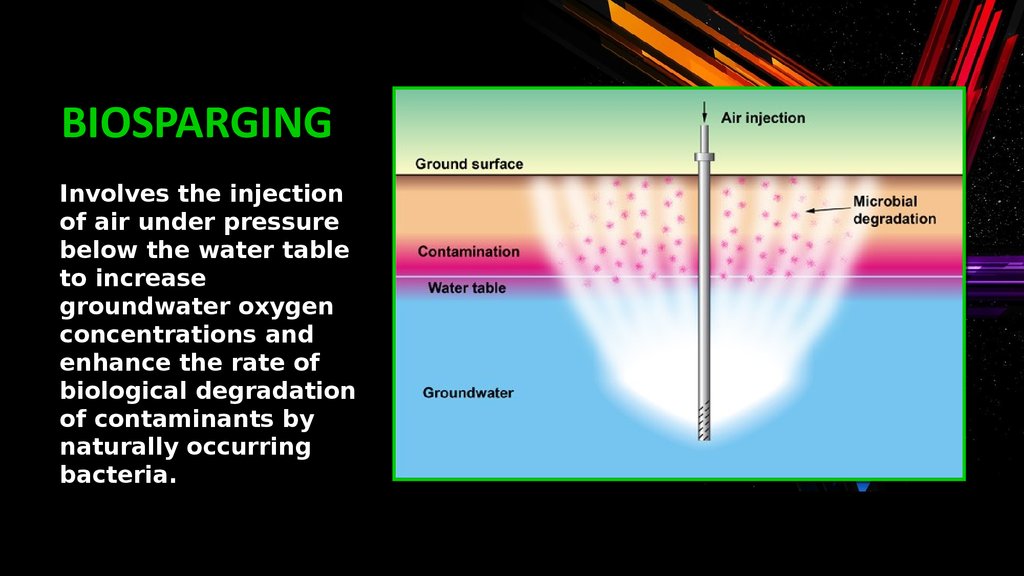
Bioremediation can be undertaken in-situ (i.e. with the soils / groundwater in the ground) or ex-situ (i.e. excavated soils or water pumped from the ground.
ACTIVITIES
DESCRIPTION
STABILISATION SYSTEMS
Petroleum Contaminated Soil Remediation
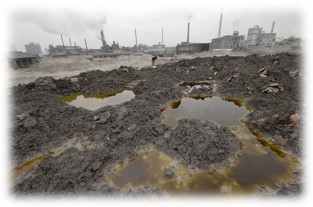
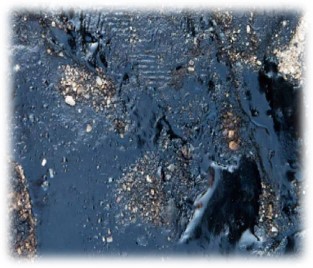
Petroleum-contaminated soil remediation becomes necessary whenever the soil on or surrounding a piece of land where petroleum products are used, stored, and/or transported becomes concentrated with released petroleum products exceeding regulatory standards for health and safety.
Remediation may require one or more viable contaminated soil treatment methods based on the nature and extent of the contamination as well as other site-specific factors such as usage, topography, and hydrogeology.
Soil treatment method:
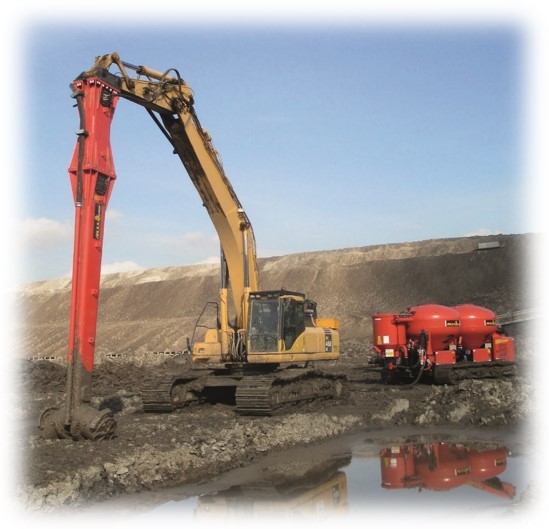
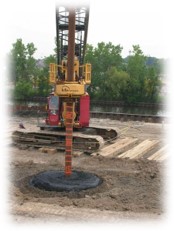
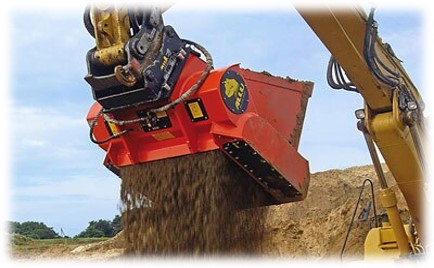
Solidification / Stabilization Methods for reducing or stopping the spread of contamination in soils, known as Solidification / Stabilization, require the introduction of a reagent. Solidifying or stabilizing agents are injected into contaminated soils to trap contaminants in a solid block (solidification) or to prevent soil contamination from leaching into the groundwater and spreading (stabilization).
ACTIVITIES
DESCRIPTION
STABILISATION SYSTEMS
Petroleum Contaminated Soil Remediation
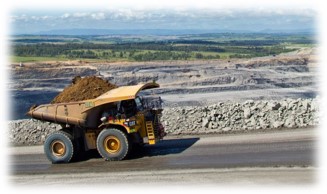
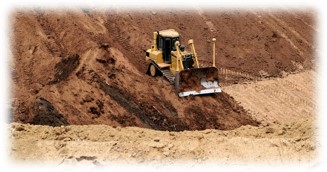
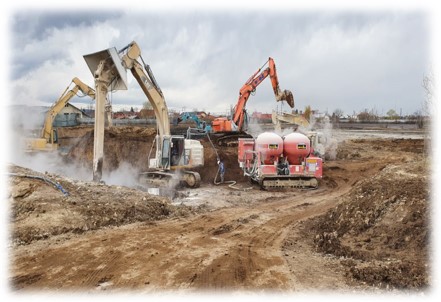
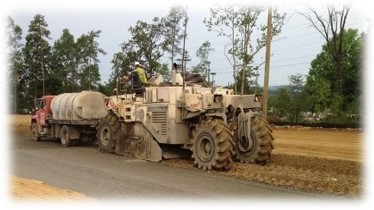
Stabilization / Solidification of contaminated soil may be performed using in-situ or ex-situ processes. In-situ stabilization involves in-place mixing of reagents and waste without removal from the contaminated site. Ex-situ processes are typically performed on-site but involve above-ground mixing; the stabilized waste is then returned to the site, placed in a landfill-type cell, or hauled away to an off-site disposal facility.
In-Situ Treatment Processes
The procedure for an in-situ treatment process may utilizes the existing lagoon as a mixing area. Large-scale remediation projects are typically better suited for in-situ remediation, which is usually less costly in such situations. The follow steps are typical for stabilization/solidification of waste in-situ :
Addition of reagent, such as kiln dust or flyash, using mechanical or pneumatic application.
Mixing with backhoe or excavator until stabilization/begins.
Setting/gelling for 24-48 hours.
Off-gas treatment to collect hazardous vapors.
Ex-Situ Treatment Processes
Ex-Situ processes are typically performed on-site using mobile mixing equipment. Small batches of waste may also be mixed in drums. Alternatively, area mixing may be implemented, in which waste and reagent are mixed in layers at the final disposal site. Ex-situ processes provide better control over reagents, mixing, and sampling. They are more practical for shallow sites or sites without access for large machinery. Important considerations for ex-situ mixing include swelling during mixing, which can double the original volume of waste, and the generation of harmful odors, dust, and especially organic vapors that are difficult to capture.
ACTIVITIES
DESCRIPTION
Produced Water from Oil Extraction
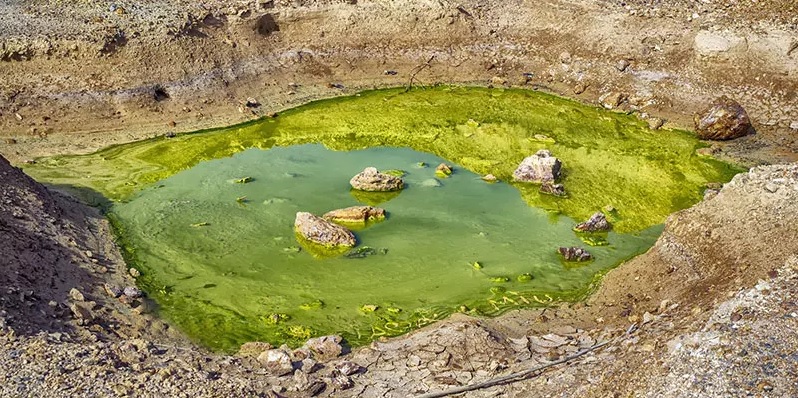
Some of the typical PW constituents are salts salinity, total dissolved solids (TDS), or electrical conductivity), oil and grease, BTEX (benzene, toluene, ethylbenzene, and xylenes), PAHs (polycyclic aromatic hydrocarbons ), organic acids, and phenols. In addition, chemical additives can be found that come from drilling, fracturing, or from operating the well.
Oil and fat concentrations in PW can range from 2 to 565 mg·L−1.
In general, PW discharges from offshore oil and gas platforms are a significant source of polycyclic aromatic hydrocarbons (PAHs) released into the ocean.
ACTIVITIES
DESCRIPTION
Contaminated Soil Washing Equipment
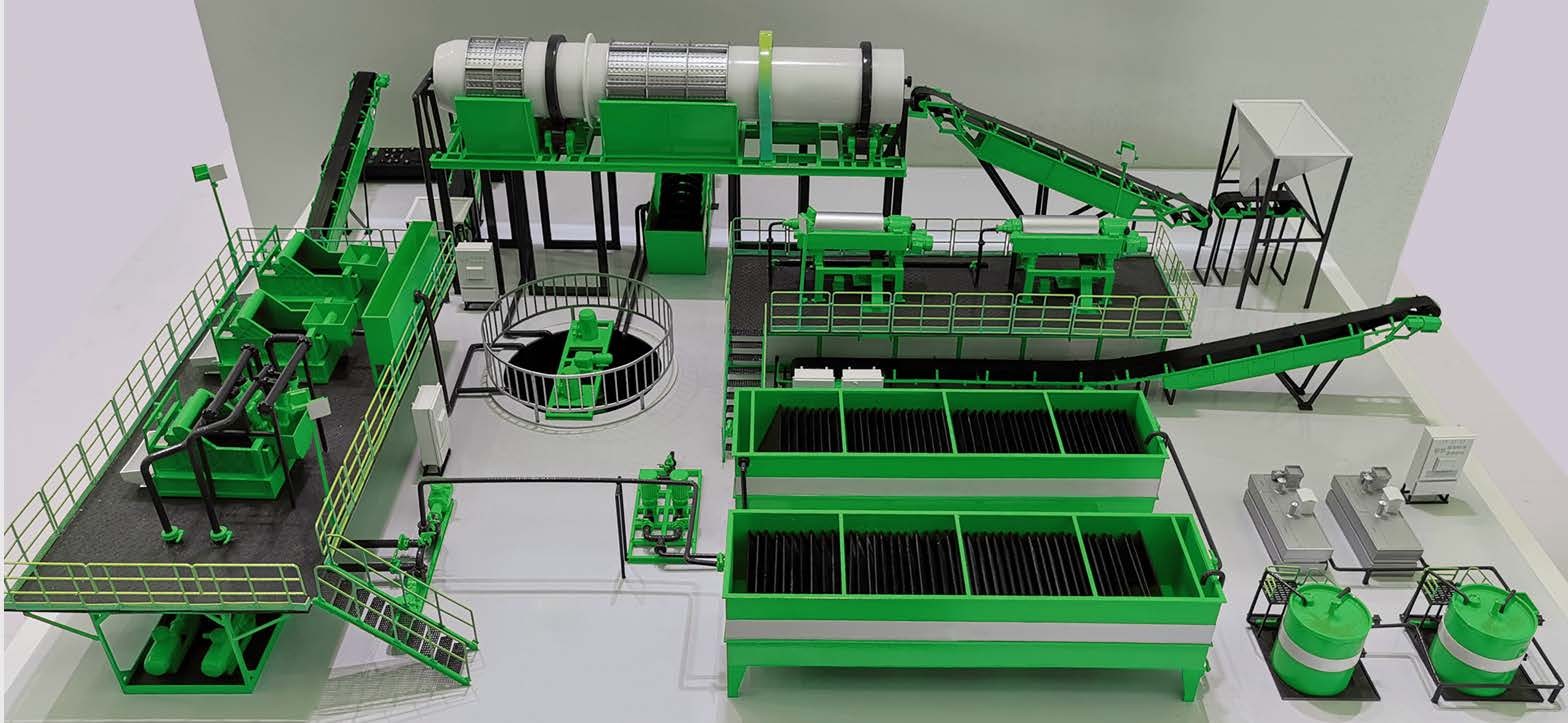
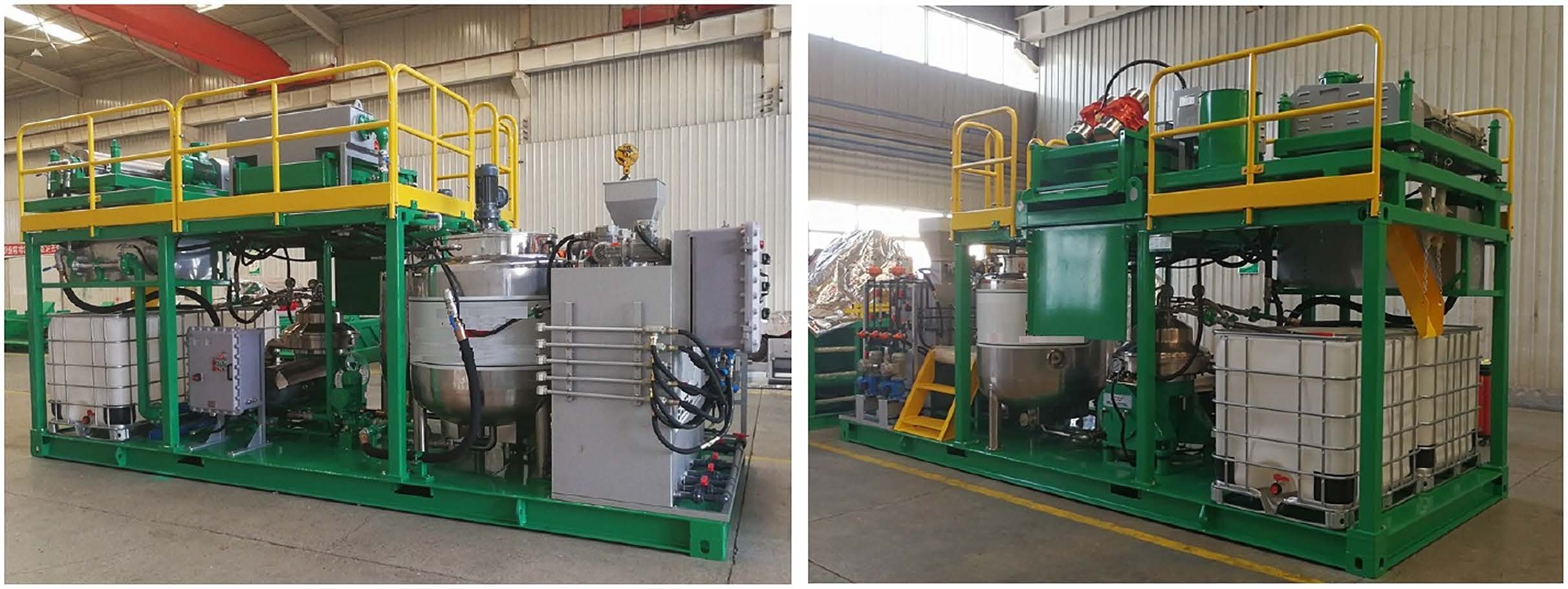
Contaminated Soil washing equipment and technology can realize the reduction of contaminated soil, reclamation of clean soil, reduction of the contaminated soil amount and the cost of contaminated soil treatment. It is suitable for heavy metals and semi-volatile and non- volatile organic pollutant soils. It can choose to build a centralized station or skid-mounted design, and is suitable for different working places such as rivers, factories, lakes, etc.
Soil Flushing/Washing System is a method that uses physical and chemical methods to separate heavy metals from the soil. It is divided into two types of operations, physical and chemical. The physical method is generally to concentrate pollutants on a small amount of fine particles in the soil, and to separate the large particles in the soil by hydraulic or gravity methods; the chemical method is to use reagents to act with heavy metals in the solid phase and form soluble heavy metal ions or metal complexes, thereby transferring pollutants from the soil to the liquid.
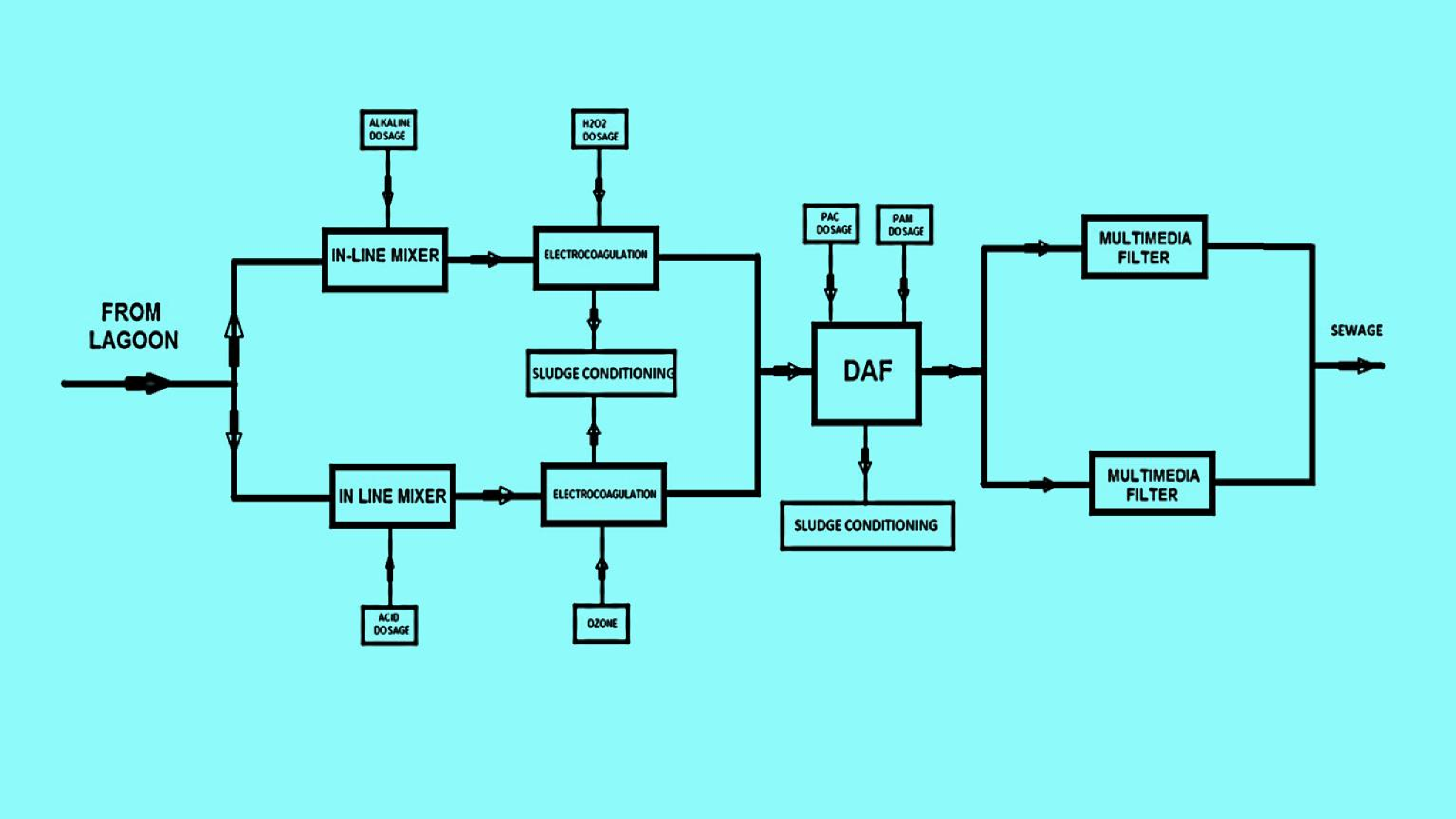
The soil washing process mainly includes soil pretreatment, rotary drum screening, vibration screening, hydrocyclone screening, washing reaction, mud-water separation, water treatment, sludge dewatering and other process.
ACTIVITIES
DESCRIPTION
Geothermal Energy
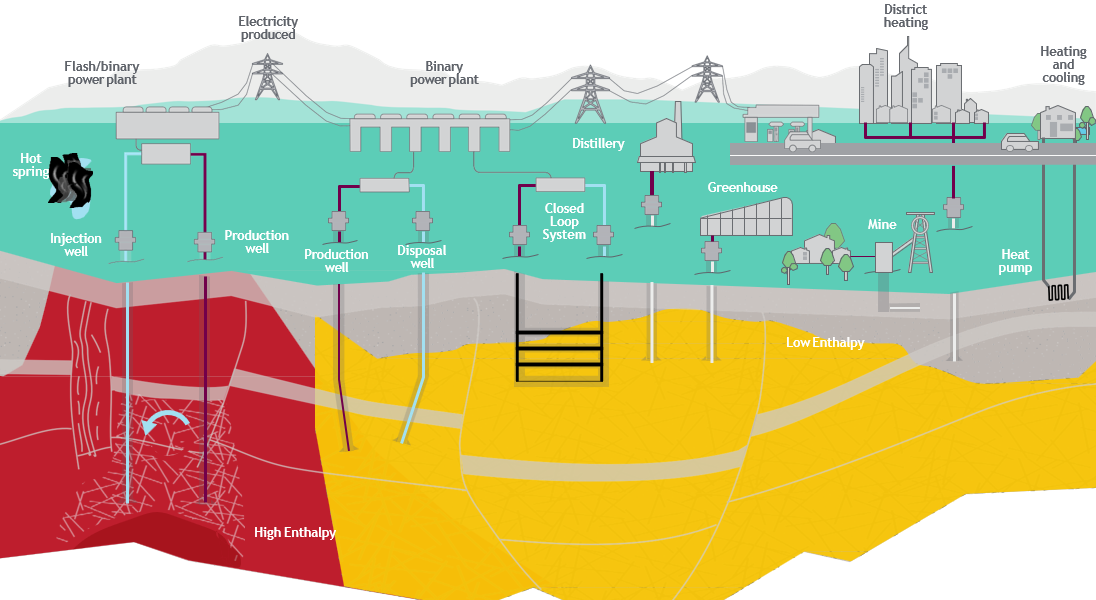
Geothermal energy is poised to play a vital role in a global energy transition to more sustainable, renewable energy sources. However, these projects must be developed quickly, safely, and environmentally responsibly and meet financial sustainability for geothermal energy projects to maximise their role in reducing carbon emissions. We use our deep expertise across multiple disciplines to provide commercial and technical advice to our clients to advance these projects and develop them globally.
Why is geothermal energy important?
Renewable carbon free technology – The accessible heat in the upper 10 km of the earth’s crust can supply us with energy for millions of years without producing any CO2.
Continually flowing – Its clean energy, delivered on-demand 24 /7, which can be used to heat or generate electricity.
Flexible – Besides the uses we’ve already highlighted here, we’re discovering more every year!
ACTIVITIES
DESCRIPTION
Progressive Cavity Pump
Application
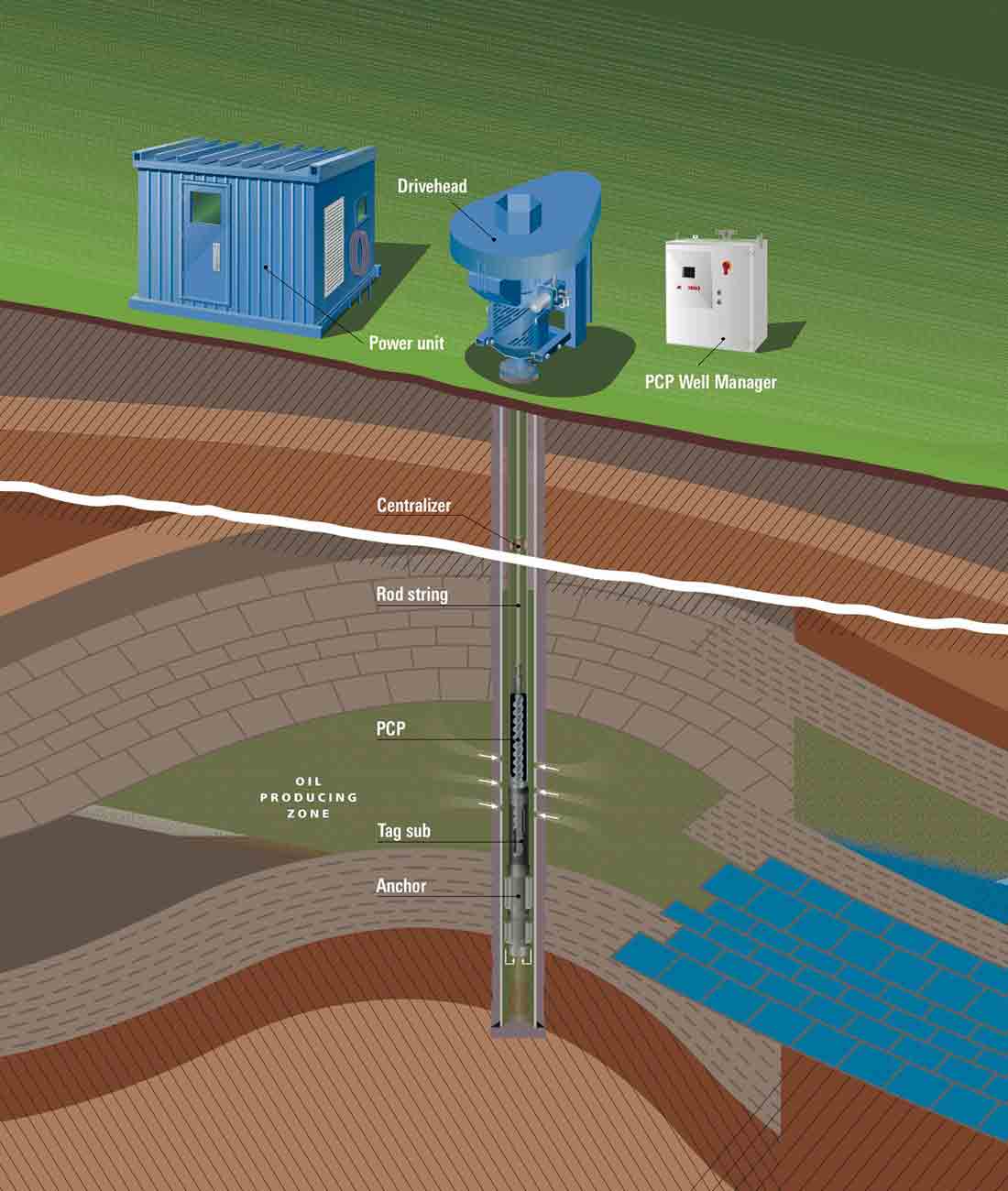
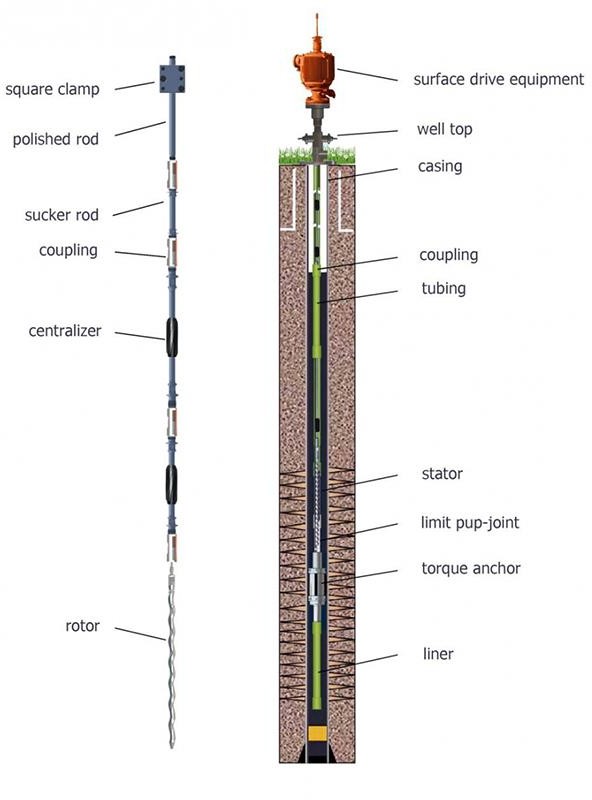
A downhole progressive cavity pump connects the stator and the rotor of the pump to the end of the tube and sucker rod. The ground drive equipment then rotates the rotor through use of the sucker rod, thereby lifting underground liquid to the surface. This cavity pump is often used lift crude oil under 8000mPa.s, making it useful for most thick oil wells, such as high sand wells, high gas wells, offshore oil field cluster well groups, horizontal wells and more.
Technical Parameters:
Heat resistance: ≤150℃;
Fluid viscosity of well fluid: ≤8000mpa•s;
GOR: <10m³/m³.
Submergence: ≥100m
Volume of H2S: ≤2.5%;
Relative density of well fluid: ≤0.96,
API gravity: >16
Maximum depth: 2400m
Well fluid sediment concentration: ≤10%
Work efficiency: 1.5-170mS/day
ACTIVITIES
DESCRIPTION
Solutions for Groundwater Remediation
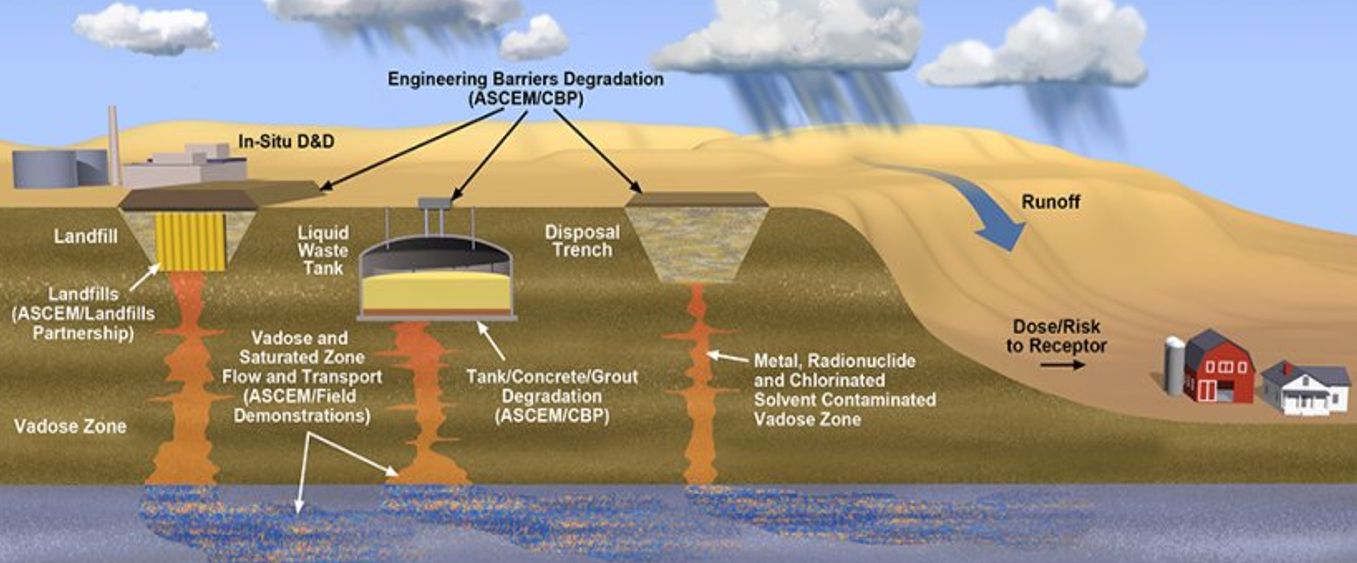
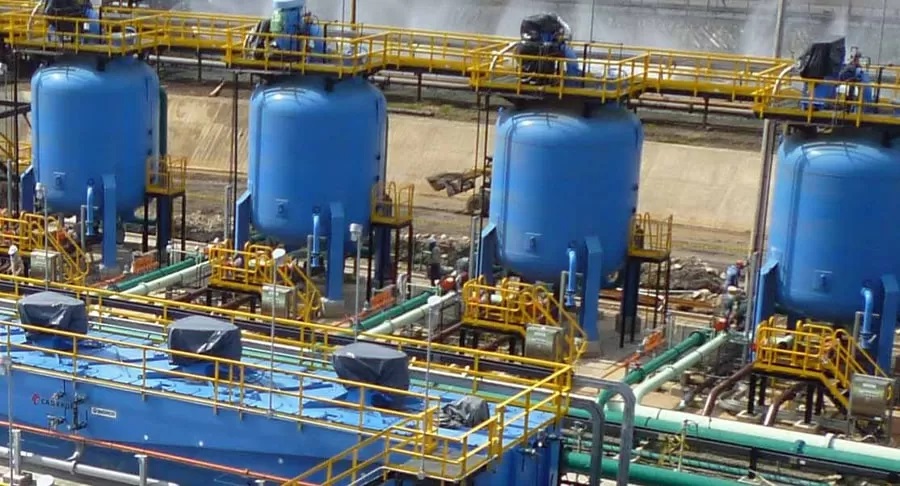
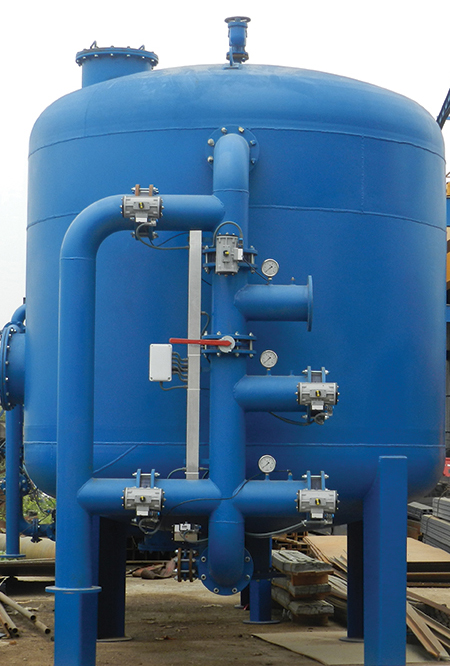
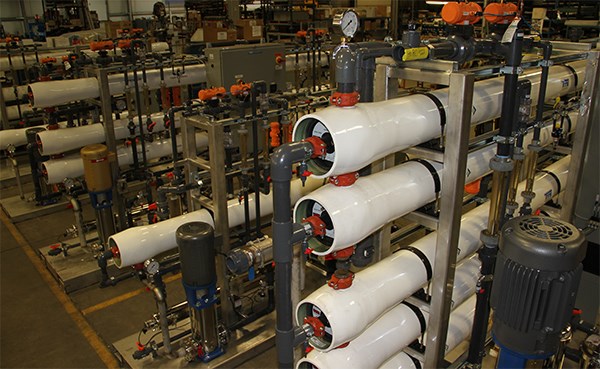
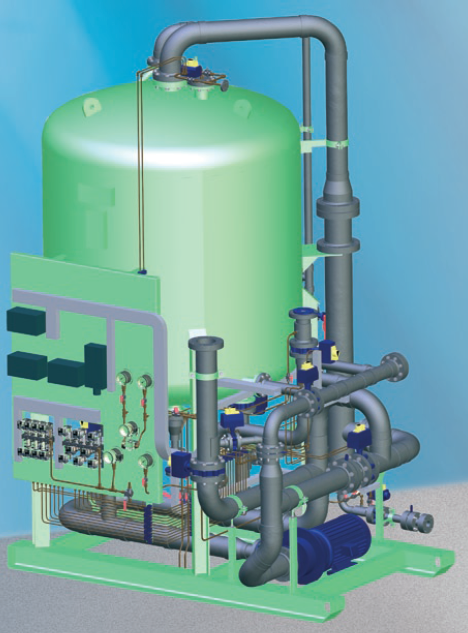
The Pump-Treat-Reinjection facility comprises pumping wells from two aquifers, inlet manifold, modular water treatment packages like inline pH dosing,sodium hypochlorite and flocculent dosing skids, water storage tanks, sand filter and activated carbon filters, intermediate water holding tanks , R.O. Units, treated water tanks, two injection water pumps & solid water separation units etc. The PTR pilot facility is designed to treat the ground water to remove its contaminants to a desired water quality.
The treatment packages are included below:
- Borehole Pumps
- Chemical Injection Skids
- Water Storage Tanks
- Water Quality Analyzers
- Sand Filters (Horizontal)
- Downflow Granulated Activated Carbon Pressure Filters
- Reverse Osmosis Unit
- Solid Water Separation Unit
- Cartridge Filter
- Treated Water Injection Pumps
- Waste water disposal pump.
- Diesel Power Generation Unit
- Centralized Control Room
ACTIVITIES
DESCRIPTION
Pipeline Construction and Services
- Oil & Gas Pipeline Construction
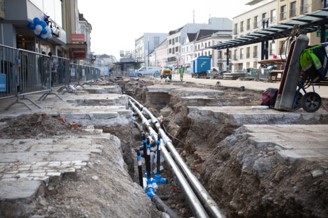
Underground pipelines of all nominal sizes and dimensions. State-of-the-art equipment and machinery. Committed, safety-conscious and highly trained employees. That is pipeline construction.
ACTIVITIES
DESCRIPTION
Pipeline Construction and Services
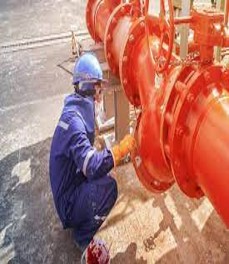
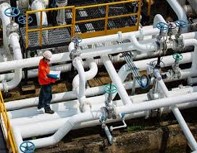
Pipeline maintenance is a critical aspect of the industry, responsible for ensuring the safe and efficient transportation of valuable resources over long distances. By upholding the integrity and reliability of these vital conduits, pipeline maintenance plays a central role in safeguarding both the environment and local communities.
3. Pipeline inspection, repair and maintenance
Methods of Pipeline Inspection:
1.In-line Inspection (ILI):
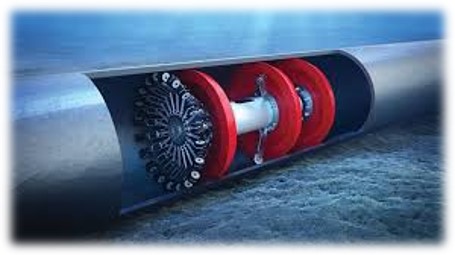
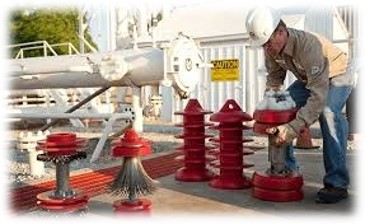
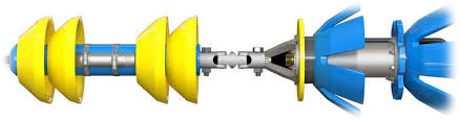
1.Pigging: A specialized tool, called a pig, is inserted into the pipeline and travels through it, inspecting the inner walls for defects like corrosion, dents, or cracks.
2.Technologies: Various technologies like magnetic flux leakage (MFL), ultrasonic testing (UT), and electromagnetic inspection (EMI) are used within pigs to detect different types of defects.
2.External Inspections:
1.Visual Inspections: Regular visual checks of the pipeline’s exterior for signs of damage, leaks, or corrosion.
2.Aerial Inspections: Using drones or helicopters to survey large pipeline networks and identify potential issues.
3.Ground Penetrating Radar (GPR): Non-destructive technique to detect underground anomalies.
3.Hydrostatic Testing:
1.A pressure test to assess the pipeline’s integrity by filling it with water and pressurizing it to a specific level.
4.Acoustic Leak Detection:
1.Using specialized equipment to detect the sound of escaping fluid or gas, indicating a potential leak.
Importance of Pipeline Inspection:
- Safety: Prevents accidents and injuries.
- Environmental Protection: Mitigates potential spills and environmental damage.
- Reliability: Ensures uninterrupted flow of substances.
- Cost-Effectiveness: Early detection of problems can save money on repairs and maintenance.
ACTIVITIES
DESCRIPTION
Pipeline Construction and Services
- Pipeline Pigging
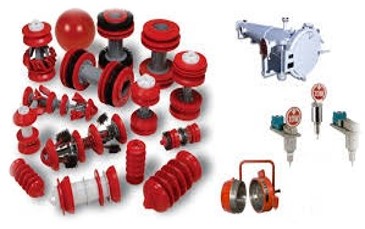
Pipeline pigging solutions are a method for cleaning and inspecting pipelines by using devices called pigs. These pigs are inserted into the pipeline and travel through it, propelled by the product flowing through the pipeline or by a separate cleaning fluid.
Pipeline pigging offers several advantages that make it a valuable tool for pipeline maintenance and operation. Here are some of the key benefits:
- Improved Efficiency
- Reduced Maintenance Costs
- Enhanced Product Quality
- Faster Product Changeovers
- Reduced Environmental Impact
- Improved Pipeline Safety
- Cost-effective solution