Water Supplies and Sewage Systems
METRECONS SOLUTION
The company was founded in 2021 from the desire to offer premium services and solve environmental pollution problems.
ACTIVITIES
DESCRIPTION
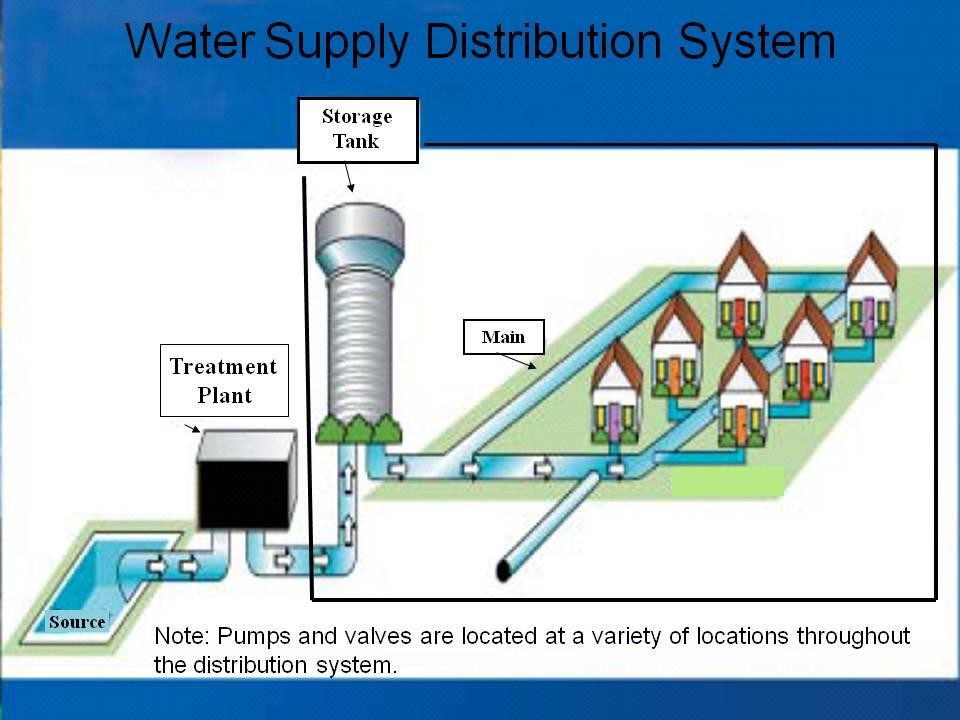
Drinking Water Supply System
Water distribution systems consist of an interconnected series of components. They include:
- pipes
- storage facilities
- components that convey drinking water
Water distribution systems meet fire protection needs for:
- cities
- homes
- schools
- hospitals
- businesses
- industries
- other facilities
Public water systems depend on distribution systems uninterrupted supply of pressurized safe drinking water to all consumers. Distribution system mains carry water from either:
- the treatment plant to the consumer;
or
- the source to the consumer when treatment is absent.
ACTIVITIES
DESCRIPTION
Sewage System
What is a Sewage System?
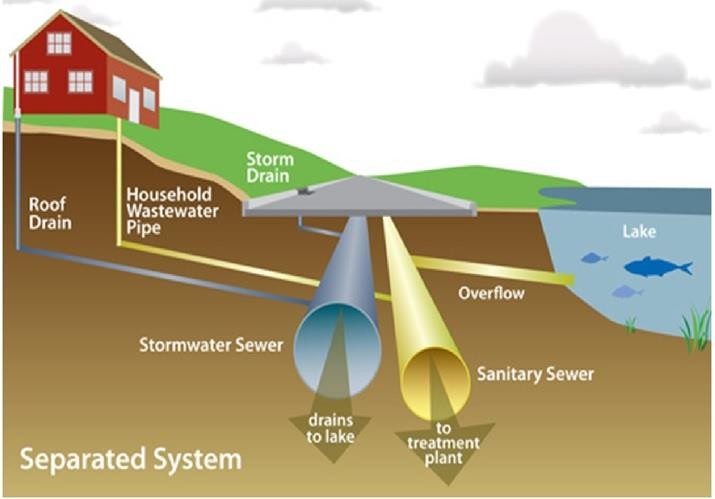
Sewage System or more commonly known as Sewerage is the infrastructure that uses sewers to transport sewage or surface runoff (stormwater, meltwater, rainwater). Receiving drains, manholes, pumping stations, storm overflows, and screening chambers are all included in the combined sewer or sanitary sewer. When sewage enters a sewage treatment plant or is discharged into the environment, it is considered to be terminated. It is a network of pipes, chambers, manholes, and other structures used to transport sewage or storm water.
In many cities, sewage (or municipal wastewater) is carried in a combined sewer system with stormwater to a sewage treatment plant. In some cities, sewage is carried separately in sanitary sewers, while street runoff is carried in storm drains. For maintenance purposes, these systems are typically accessed through a manhole. During heavy rains, a sewer system may experience a combined sewer overflow or a sanitary sewer overflow, forcing untreated sewage to flow directly into receiving waters..
There are three types of a sewage system:
- Sanitary sewers
- Storm sewers
- Combined sewers
ACTIVITIES
DESCRIPTION
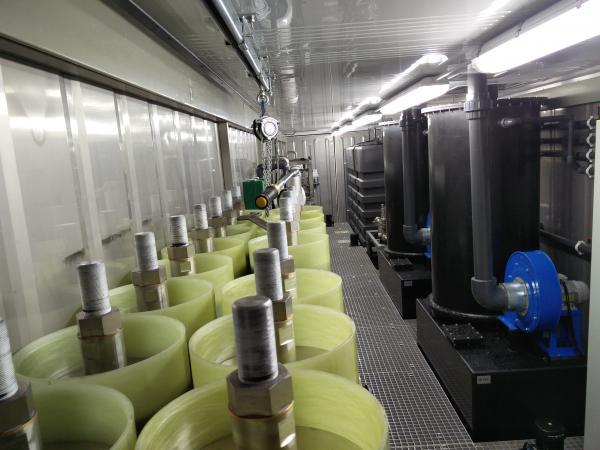
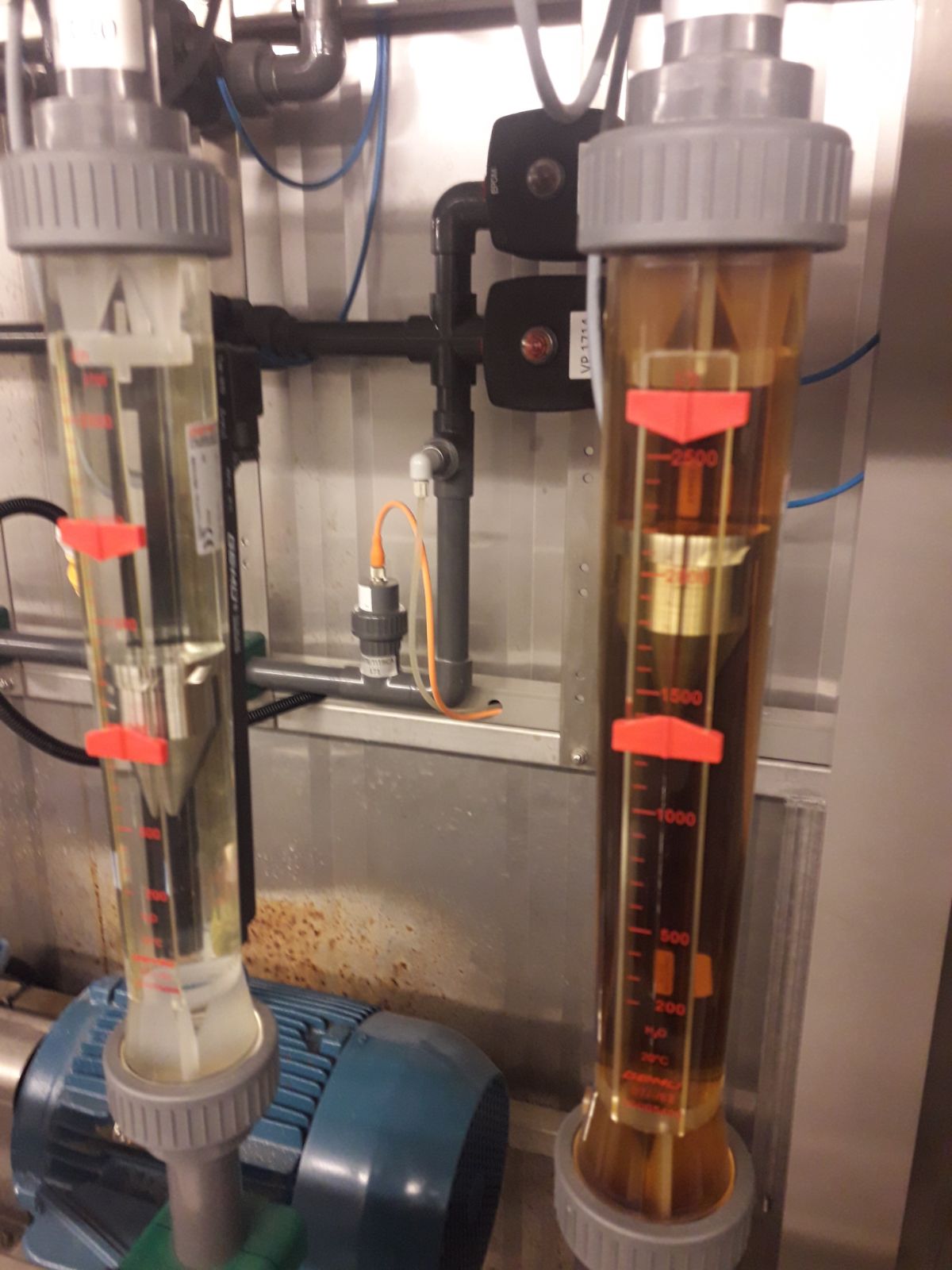
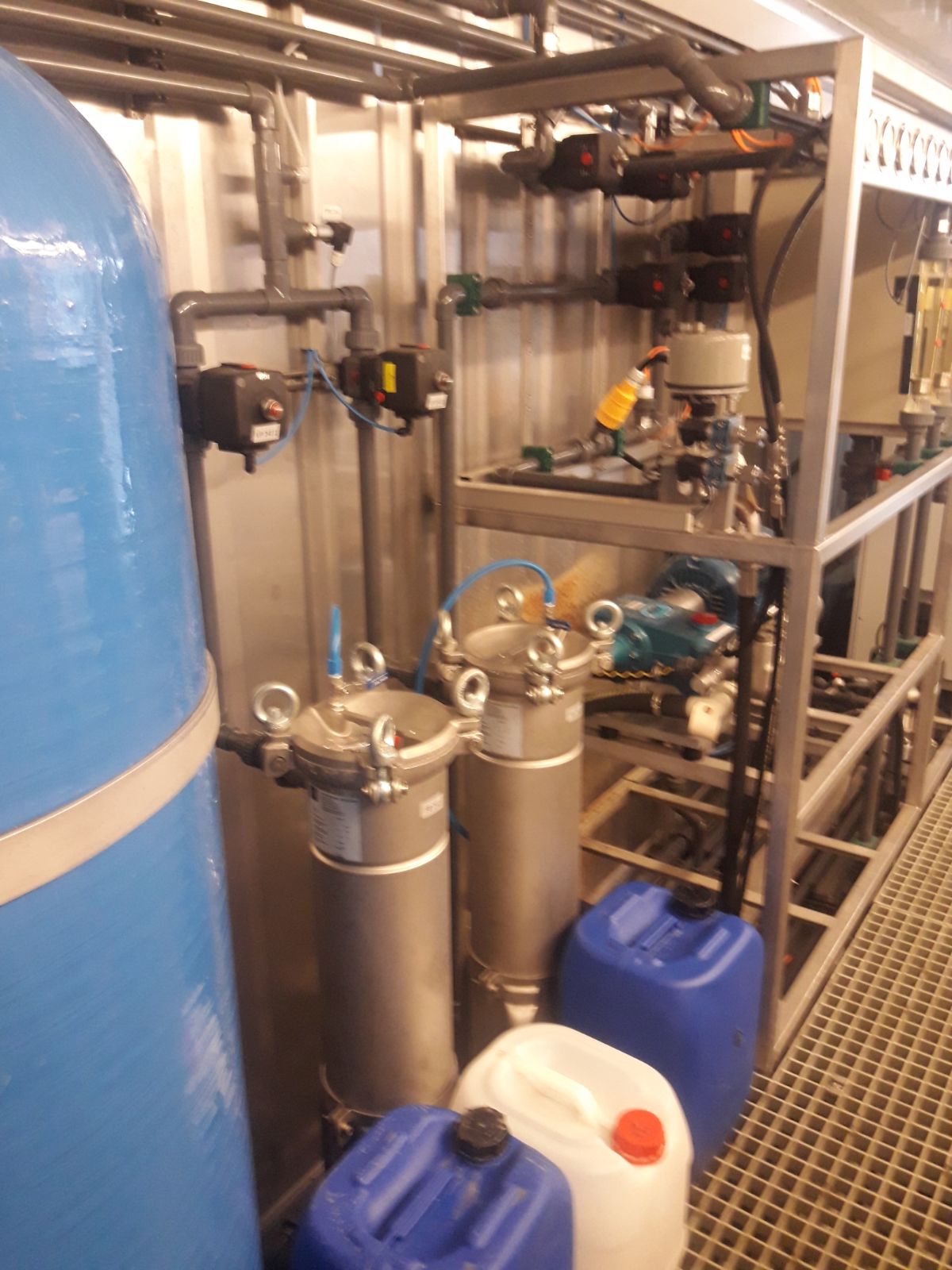
Waste Water Treatment Plant
Water having a high mineral content is generally referred to as ‘hard water’ and has a tendency to form scale.
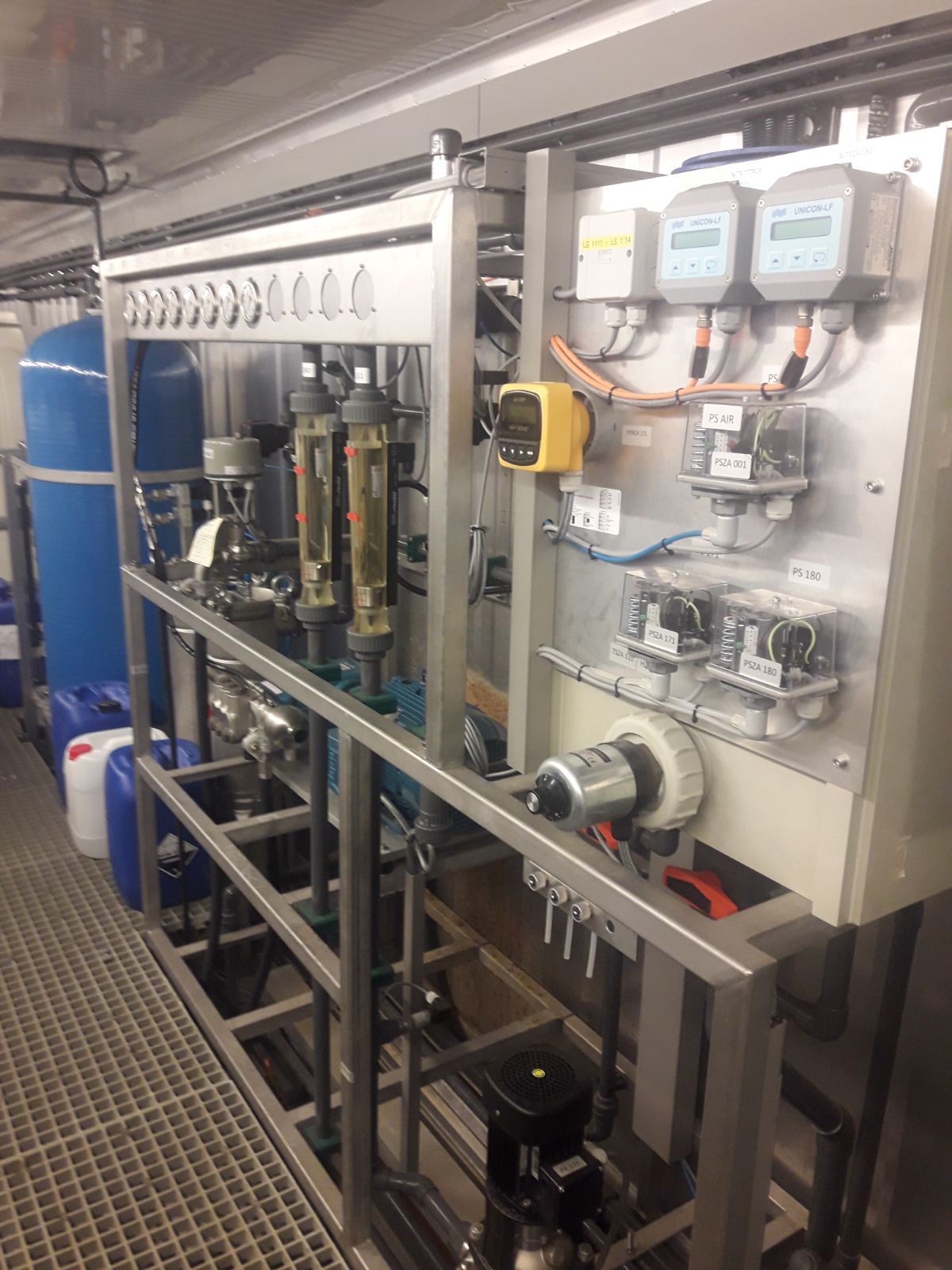
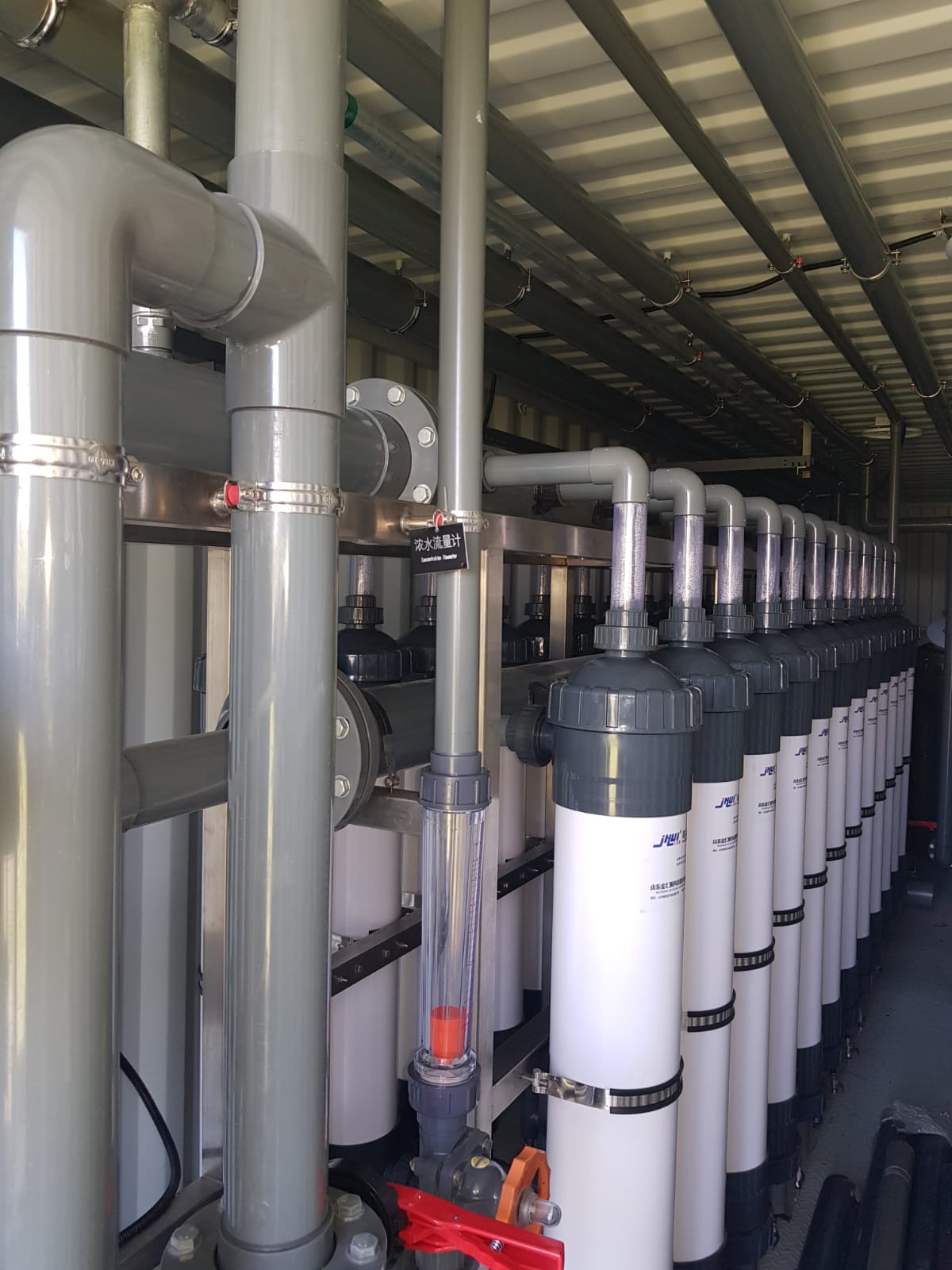
PRE treatment is accomplished in two stages, namely, a series of pre-treatment steps, in which suspended matter, oil and grease are reduced, and an advanced stage, in which wastewater contaminants are decreased to certain acceptable discharge limits.
SOLUTION PROPOSAL :
- pH adjustment;
- Electrocoagulation with advanced oxidation;
- D.A.F;
- G.A.C;
- Sludge dehydration;
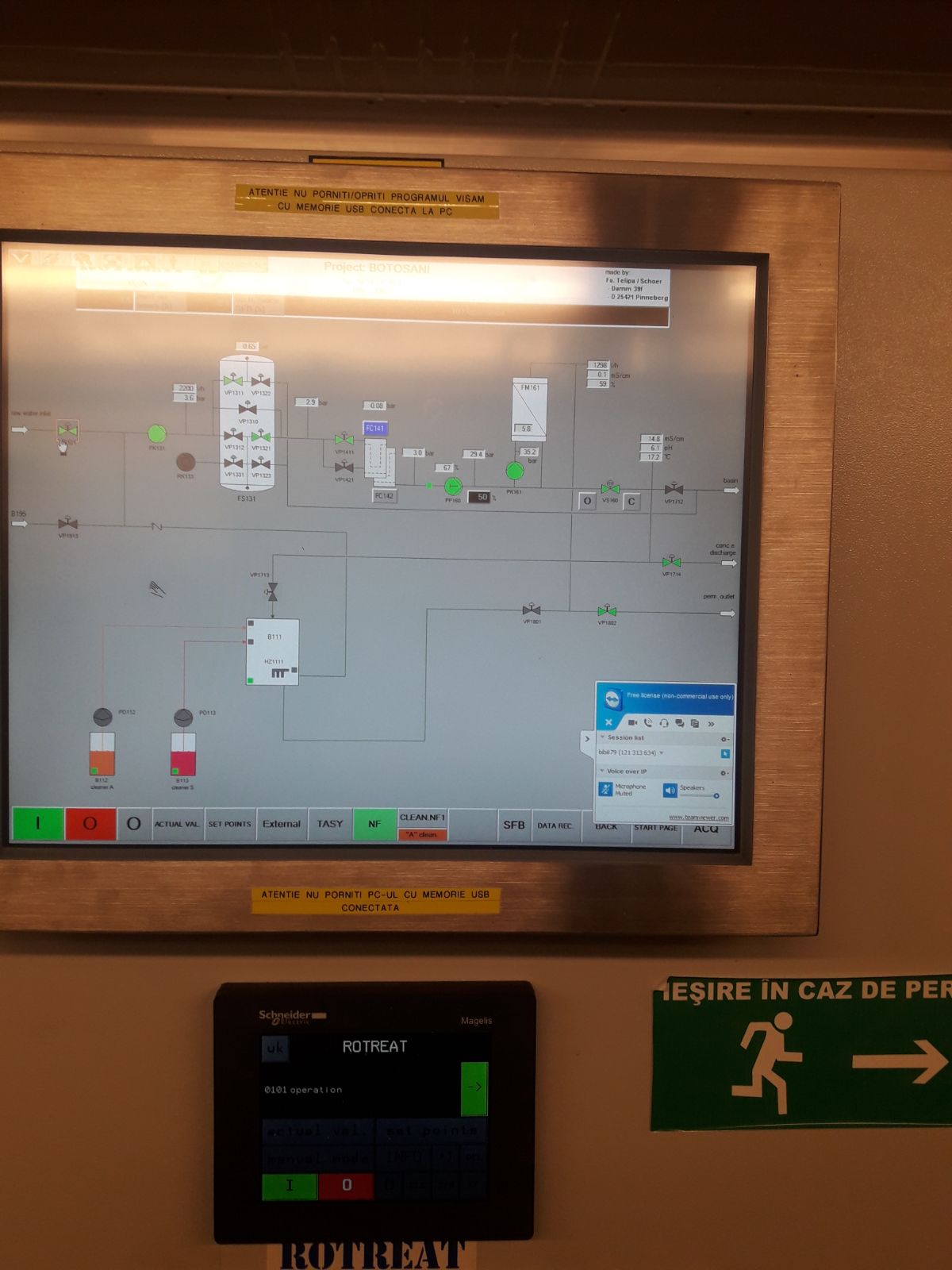
- SCADA and Remote Control.
ACTIVITIES
DESCRIPTION
Waste water treatment plant